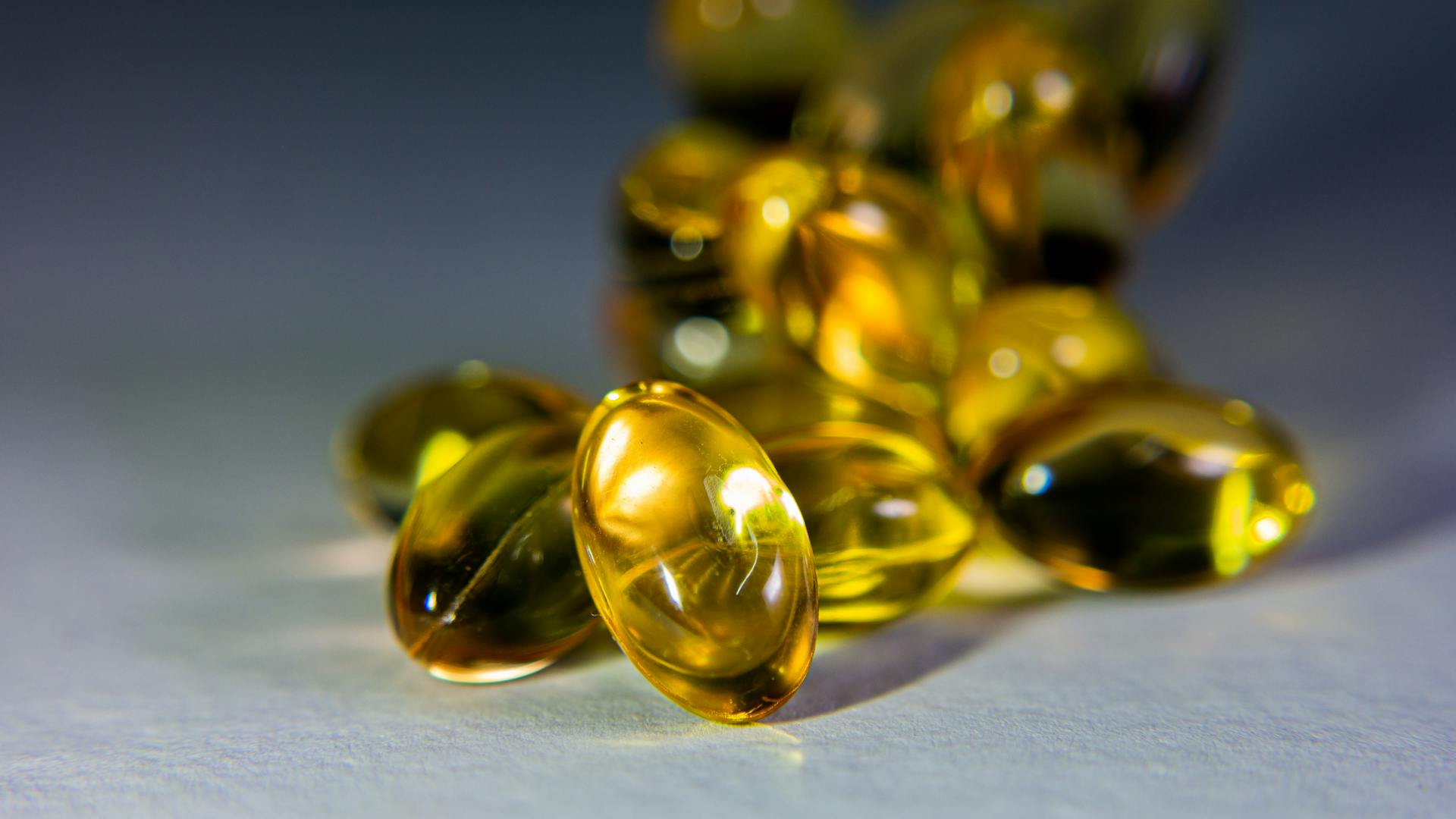
SOFTGEL CAPSULE
EXPORTER INDIA
FOR BANGLADESH
WHO-GMP and Halal certified softgel capsules from Haryana, India — specialized nutraceutical manufacturing for Bangladesh's 170M market. SAARC trade corridor, 1-2 day road transit via Petrapole-Benapole.
Bangladesh is one of the most significant pharmaceutical markets in South Asia — a country of approximately 170 million people with a well-developed domestic pharmaceutical industry that covers nearly 98% of its demand for standard dosage forms. However, softgel capsule manufacturing remains a specialized import categorythat Bangladesh sources primarily from India. The encapsulation technology, gelatin processing capabilities, and quality certifications required for softgel production are not widely available among Bangladeshi manufacturers — creating a sustained and growing import opportunity.
The India-Bangladesh trade corridor is one of the strongest bilateral pharmaceutical trade relationships in the SAARC region. India supplies a significant volume of APIs (Active Pharmaceutical Ingredients), excipients, and finished pharmaceutical products to Bangladesh through both land (Petrapole-Benapole) and sea (Kolkata/Haldia to Chittagong) routes. This established logistics infrastructure means that transit from our Haryana facility to Bangladeshi buyers takes as little as 1-2 days by road — the fastest transit time of any Admetus Lifesciences export market.
Admetus Lifesciences, based in Village Anta, Safidon, Jind, Haryana 126112, manufactures WHO-GMP compliant, Halal-certified softgel capsules for the Bangladeshi market. Our facility operates ARBES SGX-806P and Elmach EPI 2000 encapsulation lines with FSSAI, GMP, HACCP, Halal, and WHO-GMP certifications. The Directorate General of Drug Administration (DGDA) recognizes WHO-GMP certification from Indian manufacturers, and our documentation package is structured to support Bangladeshi import registration requirements.
WHY EXPORT SOFTGELS TO BANGLADESH
170 million population — massive pharmaceutical market
Bangladesh is the eighth most populous country in the world with approximately 170 million people — and a rapidly growing healthcare sector. The country's pharmaceutical industry is one of the most developed in South Asia, covering nearly 98% of domestic demand for finished dosage forms. However, softgel capsule manufacturing remains a specialized capability that Bangladesh largely imports — creating a sustained, high-volume opportunity for Indian softgel manufacturers like Admetus Lifesciences.
Strong India-Bangladesh trade corridor
India and Bangladesh share the fifth-longest land border in the world. The Petrapole-Benapole border crossing is one of the busiest trade points in South Asia, with established pharmaceutical trade flows in both directions. Kolkata port is just hours from the Bangladesh border, and Chittagong port is accessible via short sea routes from Kolkata/Haldia. This geographic proximity translates into the fastest transit times of any Admetus export market — 1-2 days by road or 3-5 days by sea.
SAARC membership — preferential trade framework
Both India and Bangladesh are SAARC (South Asian Association for Regional Cooperation) member states. The SAFTA (South Asian Free Trade Area) agreement provides preferential tariff treatment for pharmaceutical products traded between member countries. Additionally, the Named Patient Program access under SAARC frameworks can facilitate import of specific pharmaceutical products for Bangladeshi healthcare facilities — creating regulatory pathways beyond standard commercial import channels.
Bangladesh imports softgel capsules and APIs from India
While Bangladesh has a robust domestic pharmaceutical manufacturing industry, softgel capsule production requires specialized encapsulation equipment and gelatin processing capabilities that most Bangladeshi manufacturers do not possess. India is a primary source for softgel capsule imports, APIs (Active Pharmaceutical Ingredients), and excipients. Admetus Lifesciences — with ARBES SGX-806P and Elmach EPI 2000 encapsulation lines — provides the specialized manufacturing capability that Bangladeshi importers and contract buyers require.
HALAL CERTIFIED FOR THE BANGLADESHI MARKET
Bangladesh is approximately 90% Muslim. Halal certification enhances product acceptance across pharmacy retail, hospital channels, and direct consumer purchasing — particularly for softgel capsules where gelatin sourcing is a common consumer concern.
Admetus Lifesciences holds Halal certification covering the entire manufacturing chain — from raw material sourcing (Halal-certified gelatin suppliers with full traceability) through the production process on our ARBES SGX-806P encapsulation line to finished product packaging. This is not a third-party attestation applied at the end; it is integrated into our manufacturing protocols.
For the Bangladeshi market, Halal certification addresses a specific consumer concern: softgel capsules are made with gelatin, and Bangladeshi consumers are increasingly aware of the distinction between Halal-sourced and non-Halal gelatin. Our Halal certification provides documented assurance that the gelatin used in our softgel shells is sourced exclusively from Halal-certified suppliers — eliminating a potential barrier to consumer acceptance and enabling pharmacists to confidently recommend our products to religiously-observant patients.
Every export shipment to Bangladesh includes a product-specific Halal certificate alongside the Certificate of Analysis, Free Sale Certificate, and commercial documentation. Our Halal certification is internationally recognized across SAARC and OIC member states, providing cross-market utility for Bangladeshi distributors who also trade in other Muslim-majority markets.
SOFTGEL FORMULATIONS FOR BANGLADESH
Cholecalciferol (Vitamin D3) 60,000 IU
Vitamin D deficiency is widespread in Bangladesh despite tropical geography — driven by indoor lifestyles, clothing practices, air pollution reducing UV exposure in Dhaka and urban centres, and dietary gaps. Cholecalciferol 60,000 IU softgels serve as weekly therapeutic supplementation prescribed across Bangladeshi hospitals, clinics, and pharmacies — a high-volume, recurring-demand product category.
Omega-3 Fatty Acids + Vitamin E
Cardiovascular disease is the leading cause of death in Bangladesh. Despite being a riverine country with fish consumption traditions, urbanization has shifted dietary patterns away from omega-3-rich foods. Omega-3 softgels with Vitamin E address cardiac health, triglyceride management, and anti-inflammatory needs — a growing prescriber-driven category in Bangladeshi healthcare.
Calcitriol + Calcium Citrate + Vitamin K2-7
Bone health supplementation is a significant therapeutic category in Bangladesh — high rates of osteoporosis among women, nutritional deficiencies, and limited dairy consumption create sustained clinical demand for calcium and vitamin D metabolite supplementation. Calcitriol + K2-7 formulations are increasingly prescribed by Bangladeshi orthopaedists and endocrinologists.
Multivitamin Softgel Capsules
Broad-spectrum nutritional supplementation addressing micronutrient deficiencies prevalent in the Bangladeshi population. The growing middle class is driving demand for premium-format supplements — softgel capsules are perceived as a higher-quality delivery format compared to tablets, commanding better margins in Bangladeshi pharmacy retail.
Nigella Sativa (Kalonji / Kalojira)
Known as Kalojira in Bengali, Nigella Sativa has deep cultural significance in Bangladesh — used extensively in traditional cooking and folk medicine. The Prophet Muhammad (PBUH) referenced it as a remedy for all ailments except death, giving it profound religious significance in Bangladesh's 90% Muslim population. Our softgel encapsulation delivers standardized Nigella Sativa oil with consistent potency — a premium pharmaceutical format for a product with established mass-market demand.
Beyond these core formulations, Admetus Lifesciences develops custom softgel blends for Bangladeshi distributors and pharmaceutical companies targeting specific therapeutic categories. Custom formulation requests are evaluated within 48 hours. Contact us at [email protected] with your formulation requirements.
DGDA IMPORT FRAMEWORK
Bangladesh's pharmaceutical imports are regulated by the Directorate General of Drug Administration (DGDA), one of the more structured regulatory bodies in South Asia. Unlike some developing markets with minimal oversight, DGDA maintains a formal product registration process for imported pharmaceutical and nutraceutical products — reflecting Bangladesh's sophisticated domestic pharmaceutical industry and its commitment to quality standards.
For Indian manufacturers with WHO-GMP certification, the DGDA import pathway is well-established. India is already a major pharmaceutical supplier to Bangladesh — APIs, excipients, and finished products flow across the border through both land and sea routes. WHO-GMP certification from an Indian manufacturer is recognized by DGDA as a primary quality credential, and the bilateral pharmaceutical trade relationship is operationally mature.
The DGDA registration process for imported nutraceutical softgels typically involves: submission of manufacturer WHO-GMP certificate, product dossier with Certificate of Analysis, Free Sale Certificate from FSSAI, stability data, and standard commercial documentation. The Bangladeshi importer or their regulatory agent handles the in-country registration submission. Registration timelines vary but are generally faster than GCC or EAEU regulatory processes.
Admetus Lifesciences provides all manufacturer-side documentation required for DGDA import clearance: WHO-GMP certificate, GMP certificate, Halal certificate, Free Sale Certificate from FSSAI, Certificate of Analysis per batch, Certificate of Origin (for SAFTA preferential tariff claims), stability data, and commercial documentation. The SAFTA framework between India and Bangladesh can provide preferential duty treatment for qualifying pharmaceutical products.
INDIA TO BANGLADESH SHIPPING ROUTES
The fastest transit times of any Admetus export market — road via Petrapole-Benapole (1-2 days) or sea via Kolkata/Haldia to Chittagong (3-5 days).
- 01
Production & QC at Jind facility
Softgel capsules manufactured on the ARBES SGX-806P line, dried under controlled conditions, and subjected to multi-point quality testing — visual inspection, weight uniformity, dissolution, microbial limits. Full Certificate of Analysis (COA) generated per batch.
- 02
Export packaging & documentation
Products packed in export-grade secondary packaging with desiccants and tamper-evident sealing. Export documentation prepared: COA, Halal certificate, Free Sale Certificate (FSSAI), commercial invoice, packing list, and bill of lading or truck receipt.
- 03
Road freight via Petrapole-Benapole
Fastest route: road freight from our Jind, Haryana facility through Delhi-Kolkata highway to the Petrapole-Benapole border crossing — the busiest India-Bangladesh land trade point. From Benapole, Bangladeshi transport handles onward distribution to Dhaka, Chittagong, or the buyer's warehouse. Transit time: 1-2 days from dispatch.
- 04
Sea freight via Kolkata/Haldia port
Alternative route: sea freight from Kolkata or Haldia port to Chittagong or Mongla port in Bangladesh. Transit time: 3-5 days by sea. This route is preferred for full-container loads and buyers located in Chittagong, Sylhet, or the port-proximate industrial zones of Bangladesh.
- 05
Transit time: 1-5 days
Bangladesh is the closest major export market to our Haryana facility. Road freight via Petrapole-Benapole takes 1-2 days. Sea freight via Kolkata/Haldia to Chittagong takes 3-5 days. For sample shipments, courier services from Delhi to Dhaka deliver within 2-3 days. No other Admetus export market offers transit times this short.
EXPORT DOCUMENTATION FOR BANGLADESH
Certificate of Analysis (COA)
Batch-specific laboratory analysis confirming identity, potency, purity, dissolution, and microbial limits for every shipment — required by DGDA for import clearance of pharmaceutical and nutraceutical products.
Halal Certificate
Product-level Halal certification confirming compliance with Islamic dietary and manufacturing standards — important for market acceptance in Bangladesh's 90% Muslim consumer population.
Free Sale Certificate (FSSAI)
Issued by FSSAI (Food Safety and Standards Authority of India), confirming that the products are legally manufactured and freely sold in India — a standard requirement for DGDA import applications.
Commercial Invoice & Packing List
Detailed commercial invoice with HS codes, unit pricing, total value, and comprehensive packing list for customs clearance at Benapole, Chittagong, or the buyer's designated entry point.
GMP / WHO-GMP Certificate
Manufacturing facility certification confirming compliance with Good Manufacturing Practice and World Health Organization GMP standards — the primary quality credential recognized by Bangladesh's DGDA.
Certificate of Origin
Issued by the Indian Chamber of Commerce, confirming the country of manufacture for Bangladeshi customs and preferential tariff assessment under SAFTA (South Asian Free Trade Area) provisions.
BANGLADESH EXPORT Q&A
01What is the regulatory process for importing softgel capsules into Bangladesh?
Bangladesh's pharmaceutical imports are regulated by the Directorate General of Drug Administration (DGDA). For nutraceutical and pharmaceutical softgel capsules, the import process requires: WHO-GMP certificate from the manufacturer, Certificate of Analysis per batch, Free Sale Certificate, product registration with DGDA (handled by the Bangladeshi importer), and standard commercial documentation. Bangladesh's regulatory framework is well-established — the country has a sophisticated pharmaceutical industry, so DGDA processes are structured and predictable. Your Bangladeshi import partner will handle the in-country registration process.
02How quickly can shipments reach Bangladesh from your Haryana facility?
Bangladesh is the fastest-transit export market from our Jind, Haryana facility. Road freight via the Petrapole-Benapole border crossing takes 1-2 days. Sea freight from Kolkata/Haldia port to Chittagong or Mongla port takes 3-5 days. Courier delivery for samples from Delhi to Dhaka takes 2-3 days. No other international market we serve offers transit times this short — making Bangladesh ideal for just-in-time inventory models and rapid restocking.
03Does Bangladesh have preferential trade terms with India for pharmaceutical products?
Yes. Both India and Bangladesh are SAARC member states, and the SAFTA (South Asian Free Trade Area) agreement provides preferential tariff treatment for qualifying pharmaceutical and nutraceutical products. Certificate of Origin documentation is required to claim SAFTA preferential rates at Bangladeshi customs. Admetus Lifesciences provides Certificate of Origin with every export shipment to Bangladesh. Additionally, SAARC frameworks include Named Patient Program access that can facilitate import of specific pharmaceutical products.
04Can you supply softgels under our brand name for the Bangladeshi market?
Yes. We operate as a private-label and contract manufacturer — your brand name, packaging design, and labeling specifications are applied to the finished product. We support Bengali and English language labeling for the Bangladesh market. Brand artwork approval and proof signoff happens before production begins. Given the short transit times to Bangladesh, turnaround from order confirmation to delivery can be as fast as 2-3 weeks for established formulations.
05What is the minimum order quantity for export to Bangladesh?
MOQs are flexible based on the formulation, packaging format, and order configuration. We support pilot shipments for new Bangladeshi distributors as well as full-container loads for established importers. Given the proximity of Bangladesh and low shipping costs (both road and sea routes are cost-effective), smaller order quantities are more economically viable for Bangladesh than for distant markets. Specific MOQ for your order is confirmed within 48 hours of inquiry at [email protected].
06Why would Bangladeshi companies import softgels from India when Bangladesh has its own pharma industry?
Bangladesh has one of the most developed pharmaceutical industries in South Asia — covering nearly 98% of domestic demand for standard dosage forms (tablets, capsules, syrups). However, softgel capsule manufacturing is a specialized capability requiring dedicated encapsulation equipment (rotary die, gelatin melting systems, drying tunnels) that most Bangladeshi manufacturers do not possess. India — with its established softgel manufacturing base — is the natural source for this specialized product category. Admetus Lifesciences offers ARBES SGX-806P and Elmach EPI 2000 encapsulation technology, WHO-GMP certification, and the proximity advantage of being just 1-2 days from Bangladesh by road.
EXPORT SOFTGELS TO BANGLADESH
For Bangladeshi importers, pharmaceutical companies, and distributors seeking a WHO-GMP certified softgel capsule manufacturer in India — share your requirements and our export team will respond within 48 hours.