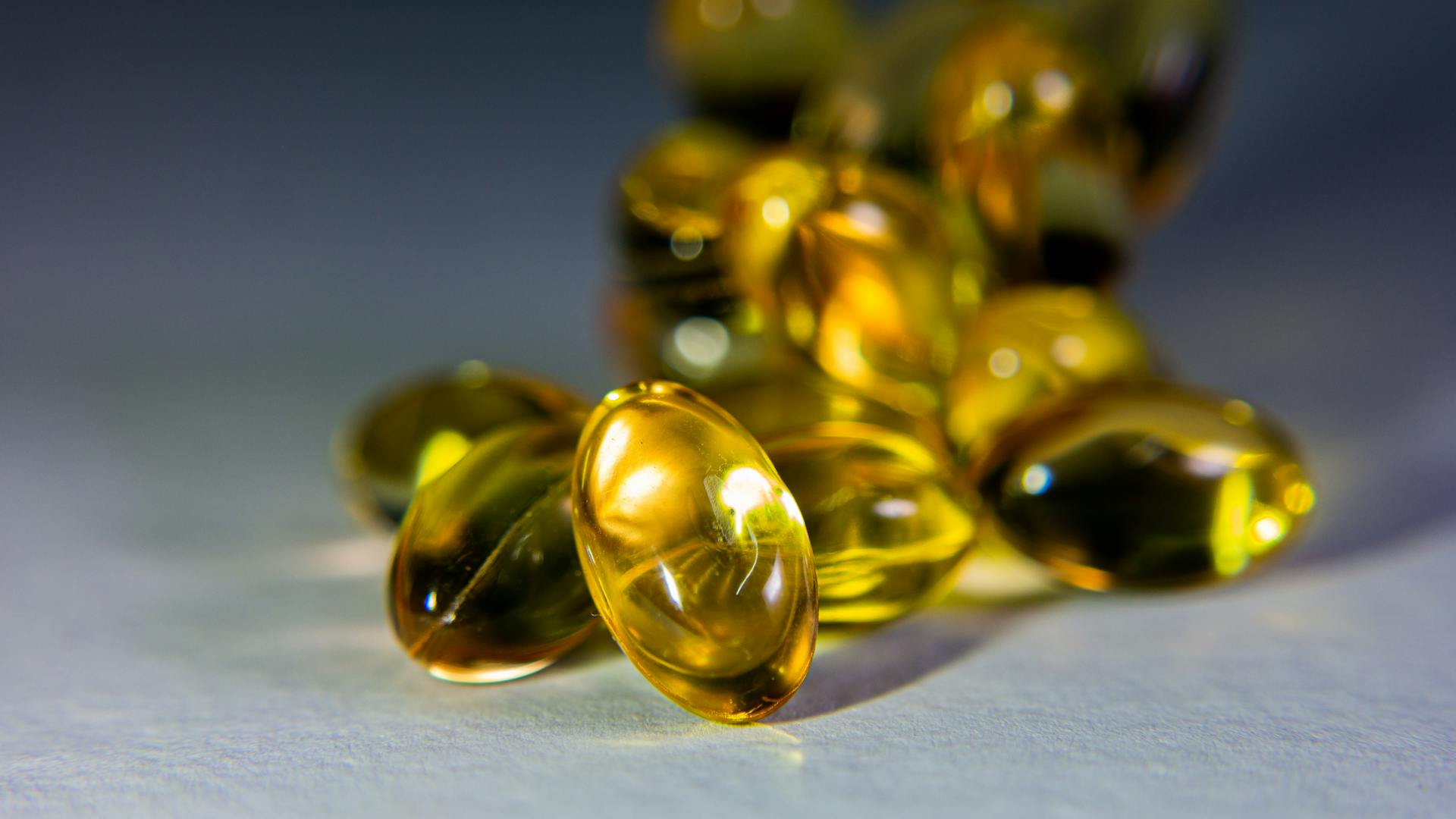
SOFTGEL CAPSULE
MANUFACTURER INDIA
FOR GHANA
WHO-GMP certified softgel capsules from Haryana, India — serving Ghanaian importers with FDA Ghana-ready documentation, competitive pricing, and flexible order volumes.
GHANA'S PHARMACEUTICAL IMPORT LANDSCAPE
Ghana is the fastest-growing pharmaceutical import market in Africa for Indian manufacturers. Ghanaian pharmaceutical imports from India total approximately $220 million annually and are growing at 22.6% year-over-year — making Ghana one of the most dynamic and strategically important African destinations for Indian pharmaceutical exporters.
This rapid growth is driven by Ghana's expanding National Health Insurance Scheme (NHIS), increasing healthcare expenditure, a growing middle class with rising disposable income, and the Ghanaian government's commitment to improving pharmaceutical access across the country. India offers WHO-GMP certified manufacturing at price points that Ghanaian distributors and consumers can afford, with an established logistics corridor from Mumbai to Tema.
The nutraceutical softgel segment is growing within this broader pharmaceutical trade. As Ghana's disease burden shifts toward non-communicable diseases (cardiovascular disease, diabetes, hypertension) alongside persistent infectious disease challenges (malaria, respiratory infections), demand is increasing for preventive health supplements, multivitamins, and condition-specific nutraceutical formulations.
All pharmaceutical and nutraceutical imports into Ghana must be registered with FDA Ghana — the Food and Drugs Authority. Import is restricted to two entry points only: Tema Port for sea freight and Kotoka International Airport for air freight. A registered Superintendent Pharmacist is required to oversee all pharmaceutical imports, and products must be cleared through Ghana's ICUMS (Integrated Customs Management System).
FDA GHANA REGISTRATION PROCESS
FDA Ghana — the Food and Drugs Authority — regulates all pharmaceutical and nutraceutical imports into Ghana. The registration process is structured and typically takes 4-8 months.
- 01
Appoint a Superintendent Pharmacist in Ghana
FDA Ghana requires all imported pharmaceutical and nutraceutical products to be represented by a registered Superintendent Pharmacist in Ghana. The Superintendent Pharmacist is a licensed pharmacist who takes legal responsibility for the products being imported, oversees storage and distribution, and serves as the regulatory liaison with FDA Ghana. This is a mandatory prerequisite — no product registration can proceed without a designated Superintendent Pharmacist.
- 02
Manufacturer GMP assessment by FDA Ghana
FDA Ghana may conduct a GMP assessment of the manufacturing facility as part of the product registration process. Our WHO-GMP certification significantly reduces the scope and likelihood of an on-site inspection, but we welcome and facilitate FDA Ghana inspection visits to our Jind, Haryana facility when required. We provide facility access, documentation, and staff availability for inspection teams.
- 03
Product registration via ICUMS
Ghana uses the Integrated Customs Management System (ICUMS) for import processing. All pharmaceutical imports must be registered through ICUMS and cleared via FDA Ghana's product registration portal. We prepare the manufacturer's dossier — including COA, stability data, WHO-GMP certificate, Free Sale Certificate, and formulation details — for submission through the ICUMS system by your Superintendent Pharmacist.
- 04
Product samples for FDA Ghana laboratory testing
FDA Ghana requires product samples for independent laboratory testing at the FDA Ghana Quality Control Laboratory. We prepare and ship the required sample quantities (typically 20-50 units per product) with full Certificate of Analysis documentation. FDA Ghana tests for identity, assay, dissolution, microbial limits, and heavy metal content.
- 05
FDA Ghana registration number issuance
Upon successful completion of documentation review, GMP assessment, and laboratory testing, FDA Ghana issues a product registration number. This registration number must appear on all product packaging and labeling for the Ghanaian market. Registration is typically valid for 5 years and renewable. The process from application to approval typically takes 4-8 months.
WHY GHANAIAN IMPORTERS CHOOSE US
WHO-GMP certification accepted by FDA Ghana
FDA Ghana (Food and Drugs Authority) — Ghana's pharmaceutical and food safety regulatory body — recognizes WHO-GMP certification as evidence of manufacturing quality standards. Admetus holds WHO-GMP certification for its Jind, Haryana facility, which streamlines the FDA Ghana product registration process and reduces the likelihood of requiring a separate manufacturing site inspection.
Five international certifications
Beyond WHO-GMP, our facility holds FSSAI, GMP, HACCP, and Halal certifications. This multi-certification profile demonstrates compliance across food safety, pharmaceutical manufacturing, hazard control, and religious dietary standards — covering the documentation requirements of FDA Ghana and Ghanaian importers across different product categories.
Export documentation for FDA Ghana registration
We provide the complete documentation package that Ghanaian importers need for FDA Ghana product registration: Certificate of Analysis (COA), Free Sale Certificate (authenticated), WHO-GMP certificate, ingredient declarations, stability data, manufacturing process flow, and product samples for FDA Ghana laboratory testing. Our export team is experienced in preparing FDA Ghana-specific documentation.
Competitive pricing for West African markets
Ghana is a price-sensitive pharmaceutical market where competitive landed cost determines market viability. Our Haryana facility operates with lower overhead than manufacturers in Mumbai, Hyderabad, or Ahmedabad. Our direct-to-importer model and optimized production costs allow us to offer pricing that enables Ghanaian distributors to maintain competitive retail margins.
Flexible MOQ and pilot orders
We understand that Ghanaian importers — particularly those registering new products with FDA Ghana — need flexibility in initial order sizes. We support pilot-volume orders for market testing and FDA Ghana sample submission, with the ability to scale to full-container loads once product registration and market demand are established.
SOFTGEL FORMULATIONS FOR THE GHANAIAN MARKET
Cholecalciferol (Vitamin D3) 60,000 IU
Despite Ghana's tropical climate, Vitamin D deficiency is increasingly documented among Ghanaian populations — particularly in urban centers like Accra and Kumasi where indoor lifestyles and sun-protective practices limit UV exposure. Vitamin D3 softgel capsules are prescribed by Ghanaian physicians for deficiency treatment and represent a growing pharmacy retail segment.
Omega-3 Fatty Acids + Vitamin E
Cardiovascular disease and hypertension are leading causes of morbidity and mortality in Ghana. With urbanization and dietary transitions accelerating, Omega-3 softgel capsules are increasingly recommended by Ghanaian healthcare providers for cardiovascular risk management, cholesterol control, and anti-inflammatory support — addressing Ghana's growing NCD burden.
Multivitamin Softgel Capsules
Ghana has a significant burden of micronutrient deficiency — iron, zinc, Vitamin A, and B-complex deficiencies are prevalent, particularly in northern Ghana and among women of reproductive age and children. Multivitamin softgel capsules address multiple deficiencies in a single convenient dosage form and are distributed through pharmacy retail, clinics, and institutional health programs.
Calcitriol + Calcium Citrate + Vitamin K2-7
Bone health formulations serve Ghana's growing elderly population and women's health segment. Osteoporosis and calcium deficiency are under-diagnosed but increasingly recognized health concerns. The Calcitriol-Calcium-K2 combination is prescribed by Ghanaian orthopedic specialists, women's health practitioners, and general physicians for bone density management.
Lycopene + Grape Seed Extract Multivitamin
Antioxidant formulations are positioned in Ghana's growing preventive health and wellness market. Lycopene (prostate health) and Grape Seed Extract (cardiovascular and skin health) address health concerns relevant to Ghana's disease profile — prostate cancer awareness is increasing rapidly in the Ghanaian male population.
Ginseng + Astaxanthin Multivitamin
Energy and vitality supplements have strong demand in Ghana's urban pharmacy market — Accra, Kumasi, Takoradi, and Tamale. Ginseng-based softgel capsules are marketed for energy, stamina, and immune support, targeting working professionals and health-conscious consumers in Ghana's expanding middle class.
We manufacture 10+ standard softgel formulations with custom formulation development on request. All products can be supplied under your brand name for the Ghanaian market. See our complete product catalog and private label service for full details.
DOCUMENTATION FOR FDA GHANA & CUSTOMS
Certificate of Analysis (COA)
Batch-specific quality certificate covering identity testing, assay, dissolution, microbial limits, heavy metals, and physical parameters. Required by FDA Ghana for product registration and by Ghanaian importers for each shipment's customs clearance at Tema Port.
Free Sale Certificate (Embassy Authenticated)
Indian government-issued certificate confirming the product is freely manufactured and sold in India. For Ghana, this must be authenticated by the Ghanaian Embassy/High Commission in India. We prepare the certificate and coordinate the authentication process.
WHO-GMP Certificate
World Health Organization Good Manufacturing Practice certificate for the manufacturing facility. FDA Ghana recognizes WHO-GMP as baseline evidence of manufacturing quality — this certificate is a key document in the FDA Ghana registration dossier.
Manufacturing License & FSSAI
Indian manufacturing license and FSSAI (Food Safety and Standards Authority of India) registration. These documents establish the legal manufacturing authorization and food safety compliance of the facility for FDA Ghana review.
Stability Data & Process Flow
Accelerated and real-time stability study data for the specific product, along with manufacturing process flow documentation. FDA Ghana requires this for product registration to verify shelf life claims and manufacturing consistency.
Commercial Invoice & Packing List
Detailed commercial invoice with FOB/CIF Tema pricing, HS codes, and payment terms. Packing list with batch numbers, quantities, net/gross weights, and container loading details. Required by Ghana Revenue Authority (GRA) and Ghana Customs for import duty assessment via ICUMS.
INDIA TO GHANA SHIPPING ROUTE
The India-Ghana shipping corridor is well-established for pharmaceutical cargo, with regular container vessel services from Mumbai to Tema.
- 01
Origin: JNPT (Nhava Sheva), Mumbai
Products are dispatched from our Jind, Haryana facility to JNPT port in Mumbai — approximately 1,200km by road, 2-3 days transit. JNPT is India's largest container port and the primary departure point for pharmaceutical exports to West Africa. Cargo is consolidated, inspected, and cleared for export at JNPT's pharmaceutical cargo handling facilities.
- 02
Sea freight: Mumbai to Tema
Container vessel services from JNPT to Tema Port operate on regular schedules with 16-20 days ocean transit time. Pharmaceutical cargo is shipped in standard dry containers with temperature monitoring for heat-sensitive products. Multiple shipping lines serve the Mumbai-Tema route with weekly departures.
- 03
Destination: Tema Port, Greater Accra
Pharmaceutical imports into Ghana are restricted to Tema Port (sea freight) and Kotoka International Airport (air freight) — these are the only two authorized entry points for pharmaceutical cargo. Customs clearance at Tema Port via ICUMS typically takes 5-8 business days. The importer's customs broker handles port-side clearance with the documentation package we provide (commercial invoice, packing list, COA, FDA Ghana registration evidence).
- 04
Packaging for transit
All Ghana-bound shipments are packed in pharmaceutical-grade export packaging — blister packs or bottles in outer cartons, master cartons with desiccants, tamper-evident sealing, and batch identification. Packaging is designed for 20+ day sea transit in tropical conditions. We coordinate with the buyer's freight forwarder or recommend trusted logistics partners for the India-Ghana corridor.
GHANA EXPORT Q&A
01What is FDA Ghana and how does it affect importing softgels to Ghana?
FDA Ghana — the Food and Drugs Authority — is Ghana's regulatory body for pharmaceuticals, food, cosmetics, and medical devices. All pharmaceutical and nutraceutical products imported into Ghana must be registered with FDA Ghana before they can be sold. The registration process involves documentation review, manufacturer GMP assessment, Free Sale Certificate authentication, and laboratory testing of product samples. FDA Ghana registration typically takes 4-8 months and is valid for 5 years. Admetus provides the complete manufacturer documentation package required for FDA Ghana registration.
02Can Admetus export softgel capsules to Ghana?
Yes. Admetus Lifesciences is an export-ready softgel capsule manufacturer with WHO-GMP certification — recognized by FDA Ghana as evidence of manufacturing quality standards. We provide the full documentation package for FDA Ghana registration: COA, Free Sale Certificate (with embassy authentication support), WHO-GMP certificate, stability data, manufacturing process flow, and product samples. We have the certifications, documentation capability, and production capacity to serve Ghanaian importers and distributors.
03Do I need a Superintendent Pharmacist to import softgels into Ghana?
Yes. FDA Ghana requires all imported pharmaceutical and nutraceutical products to be overseen by a registered Superintendent Pharmacist in Ghana. The Superintendent Pharmacist is a licensed Ghanaian pharmacist who assumes legal responsibility for the imported products, manages regulatory compliance, and communicates with FDA Ghana on behalf of the importing company. This is a mandatory requirement before product registration can begin.
04What are the port restrictions for pharmaceutical imports into Ghana?
Pharmaceutical imports into Ghana are restricted to Tema Port (sea freight) and Kotoka International Airport (air freight) — these are the only two entry points authorized by FDA Ghana for pharmaceutical cargo. Tema Port, located near Accra, handles the vast majority of containerized pharmaceutical imports from India. All pharmaceutical shipments must clear FDA Ghana inspection and customs processing at the designated port of entry.
05How long does shipping take from India to Ghana?
Sea freight from JNPT (Mumbai) to Tema Port takes approximately 16-20 days transit time. This is the standard shipping route for pharmaceutical cargo from western India to Ghana. After port arrival, customs clearance at Tema Port via ICUMS typically takes 5-8 business days depending on documentation completeness and FDA Ghana verification. Total transit from factory dispatch to warehouse delivery in Accra is typically 28-35 days.
06What softgel products are in highest demand in Ghana?
Based on Ghana's disease burden and pharmacy market demand, the highest-demand softgel formulations are: Multivitamins (addressing widespread micronutrient deficiency), Omega-3 for cardiovascular health (Ghana's growing NCD burden), Vitamin D3 for deficiency treatment, Calcitriol + Calcium for bone health, and Lycopene-based antioxidant formulations. Energy and vitality supplements (Ginseng-based) also have strong demand in Ghana's urban pharmacy retail market in Accra and Kumasi. All these formulations are in our standard production line.
START YOUR GHANA EXPORT ORDER
Contact our export team to discuss your Ghana import requirements — FDA Ghana documentation, formulation selection, MOQ, pricing, and shipping to Tema Port. We respond within 48 hours.