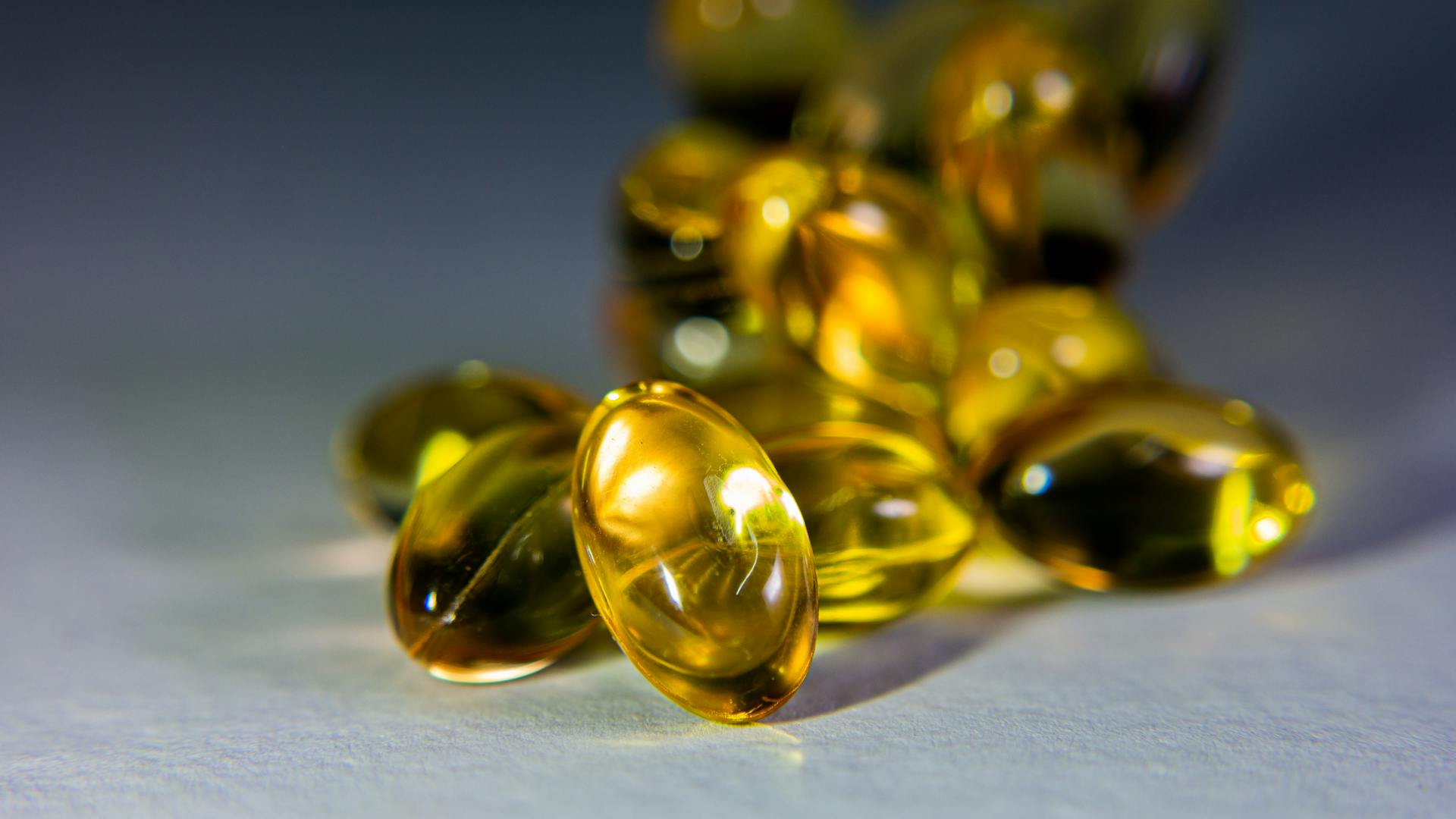
SOFTGEL CAPSULE
MANUFACTURER INDIA
FOR LEBANON
Halal and WHO-GMP certified softgel capsules from Haryana, India — affordable nutraceutical generics for Lebanon's price-sensitive healthcare market. Full export documentation, direct shipping to Beirut port.
Lebanon is a country of approximately 5.5 million people currently experiencing one of the most severe economic crises in modern history. The collapse of the Lebanese pound, hyperinflation, and the deterioration of the banking sector have fundamentally reshaped the pharmaceutical import landscape — shifting procurement decisively toward affordable generics from India and away from the European and American-branded products that traditionally dominated Lebanese pharmacies.
Despite the economic turmoil, Lebanon maintains a sophisticated healthcare infrastructure with high physician density, well-established pharmacy networks across Beirut, Tripoli, Sidon, and regional towns, and a population that understands and values pharmaceutical supplementation. The demand for nutraceutical products has not decreased — consumers and prescribers have simply shifted to affordable alternatives that deliver equivalent quality at sustainable price points. Indian WHO-GMP certified softgels are 40-60% less expensive than European equivalents, making them the most viable option in the current Lebanese market.
Admetus Lifesciences, based in Village Anta, Safidon, Jind, Haryana 126112, manufactures Halal-certified, WHO-GMP compliant softgel capsules positioned for the Lebanese market — combining the pricing economics of Indian manufacturing with the quality certifications and documentation that Lebanon's Ministry of Public Health and Lebanese importers require. Our facility operates ARBES SGX-806P and Elmach EPI 2000 encapsulation lines with FSSAI, GMP, HACCP, Halal, and WHO-GMP certifications.
WHY EXPORT SOFTGELS TO LEBANON
Economic crisis drives demand for affordable generics
Lebanon has been experiencing one of the most severe economic crises in modern history since 2019 — the Lebanese pound has lost over 98% of its value against the US dollar, hyperinflation has devastated purchasing power, and the healthcare system is under extreme strain. In this environment, affordable Indian-manufactured generics and nutraceuticals have a compelling competitive advantage over European and American-branded alternatives that Lebanese consumers and healthcare facilities can no longer afford.
5.5 million population with sophisticated healthcare expectations
Despite its small size, Lebanon has historically maintained one of the most advanced healthcare systems in the Middle East — with high physician density, well-established pharmacy networks, and a population accustomed to quality pharmaceutical products. Lebanese consumers understand supplementation, trust pharmacy-dispensed nutraceuticals, and are familiar with softgel capsule formats. The economic crisis has not reduced demand — it has shifted procurement toward affordable alternatives from India.
Muslim-majority market requiring Halal certification
Lebanon's population is approximately 54% Muslim (Sunni and Shia combined), with Halal certification enhancing product acceptance across all demographic segments. Unlike purely secular markets, Lebanese pharmacies and distributors prefer products with Halal documentation — it broadens the addressable consumer base and eliminates concerns about gelatin sourcing that would otherwise limit market penetration for softgel capsules.
India is a growing pharmaceutical supplier to Lebanon
As traditional European pharmaceutical suppliers become unaffordable in the current economic environment, Lebanese importers are increasingly sourcing from India — the world's largest generic pharmaceutical manufacturer. Indian pharma products with WHO-GMP certification are accepted by Lebanon's Ministry of Public Health, and the procurement channel from JNPT to Beirut port is well-established with 10-14 day transit times.
HALAL CERTIFIED FOR THE LEBANESE MARKET
Lebanon is a multi-confessional country with approximately 54% Muslim population. Halal certification broadens the addressable market and eliminates gelatin-sourcing concerns that could otherwise limit softgel capsule adoption.
Admetus Lifesciences holds Halal certification covering the entire manufacturing chain — from raw material sourcing (Halal-certified gelatin suppliers with full traceability) through the production process on our ARBES SGX-806P encapsulation line to finished product packaging. This is not a third-party attestation applied at the end; it is integrated into our manufacturing protocols.
For the Lebanese market, Halal certification serves a commercial function beyond religious compliance: it maximises the addressable consumer base in a country where both Muslim and non-Muslim consumers purchase the same pharmacy products. Halal-certified softgels face no consumer resistance from any demographic segment, while non-certified products may lose a significant portion of the Muslim consumer base — particularly in Sunni-majority areas like Tripoli, Sidon, and the Bekaa Valley.
Every export shipment to Lebanon includes a product-specific Halal certificate alongside the Certificate of Analysis, Free Sale Certificate, and commercial documentation. Our Halal certification is recognized across Middle Eastern markets, meaning Lebanese distributors who also trade in Syria, Iraq, Jordan, or GCC countries can use the same certification documentation across multiple territories.
SOFTGEL FORMULATIONS FOR LEBANON
Cholecalciferol (Vitamin D3) 60,000 IU
Vitamin D deficiency is widespread in Lebanon — driven by indoor lifestyles, modesty-related clothing practices, and dietary gaps exacerbated by the economic crisis. Cholecalciferol 60,000 IU softgels serve as weekly therapeutic supplementation prescribed across Lebanese clinics and pharmacies. With European-manufactured Vitamin D products becoming prohibitively expensive, Indian-manufactured alternatives are capturing significant market share.
Omega-3 Fatty Acids + Vitamin E
Cardiovascular disease is a leading cause of mortality in Lebanon, and Omega-3 supplementation is widely prescribed by Lebanese physicians. The economic crisis has made imported Omega-3 products from European manufacturers unaffordable for most consumers — creating a direct opportunity for WHO-GMP certified Indian alternatives at 40-60% lower price points without compromising quality documentation.
Multivitamin Softgel Capsules
Nutritional supplementation has become more critical as the economic crisis has degraded dietary quality for millions of Lebanese. Multivitamin softgels address micronutrient deficiencies that have worsened since 2019 — particularly iron, zinc, B-vitamins, and fat-soluble vitamins. This is both a clinical need and a growing pharmacy retail category in Lebanon.
Calcitriol + Calcium Citrate + Vitamin K2-7
Bone health supplementation is a significant therapeutic category in Lebanon — the aging population, combined with nutritional deficiencies worsened by the economic crisis, creates sustained demand for calcium and vitamin D metabolite formulations. Lebanese orthopaedists and endocrinologists prescribe these combinations as standard of care for osteoporosis prevention.
Nigella Sativa (Kalonji / Habbatus Sauda)
Known as Habbatus Sauda in Arabic, Nigella Sativa has deep cultural and religious significance across Lebanon's Muslim communities. The Prophet Muhammad (PBUH) referenced it as a remedy for all ailments except death. In Lebanese traditional medicine, black seed oil is widely used for immune support, respiratory health, and general wellness. Our softgel encapsulation delivers standardized Nigella Sativa oil with consistent potency — a pharmaceutical-grade format for a product with established cultural demand.
Beyond these core formulations, Admetus Lifesciences develops custom softgel blends for Lebanese distributors targeting specific therapeutic categories. Custom formulation requests are evaluated within 48 hours. Contact us at [email protected] with your formulation requirements.
MINISTRY OF PUBLIC HEALTH FRAMEWORK
Lebanon's pharmaceutical and nutraceutical imports are regulated by the Ministry of Public Health (MOH), which oversees product registration, import licensing, and quality standards for all pharmaceutical products entering the Lebanese market. Despite the economic crisis, the MOH maintains its regulatory framework — and WHO-GMP certification from an Indian manufacturer is recognized as a valid quality credential.
The economic crisis has, in some respects, made the regulatory pathway more accessible for Indian manufacturers. As Lebanon actively seeks affordable pharmaceutical alternatives to replace unaffordable European imports, the MOH has facilitated faster import clearance for WHO-GMP certified generic and nutraceutical products — particularly in therapeutic categories where supply gaps have emerged.
The Lebanese regulatory framework requires manufacturer WHO-GMP certification, Certificate of Analysis per batch, Free Sale Certificate from FSSAI, and standard commercial documentation. Product registration with the MOH is handled by the Lebanese importer or their regulatory agent. Registration timelines are generally manageable, and the MOH is familiar with Indian pharmaceutical manufacturer documentation.
Admetus Lifesciences provides all manufacturer-side documentation required for Lebanese import clearance: WHO-GMP certificate, GMP certificate, Halal certificate, Free Sale Certificate from FSSAI, Certificate of Analysis per batch, Certificate of Origin, and commercial documentation. We support Arabic, French, and English language labeling to meet Lebanese market requirements, where all three languages are used in commercial and regulatory contexts.
INDIA TO LEBANON SHIPPING ROUTES
Direct sea freight from JNPT to Beirut port with 10-14 day transit. Transshipment via Dubai or Port Said also available.
- 01
Production & QC at Jind facility
Softgel capsules manufactured on the ARBES SGX-806P line, dried under controlled conditions, and subjected to multi-point quality testing — visual inspection, weight uniformity, dissolution, microbial limits. Full Certificate of Analysis (COA) generated per batch.
- 02
Export packaging & documentation
Products packed in export-grade secondary packaging with desiccants and tamper-evident sealing. Export documentation prepared: COA, Halal certificate, Free Sale Certificate (FSSAI), commercial invoice, packing list, and bill of lading.
- 03
Dispatch from JNPT port
Sea freight from JNPT (Nhava Sheva, Mumbai) — India's largest west-coast container port with regular shipping services to the Eastern Mediterranean. Direct and transshipment routes available to Beirut.
- 04
Arrival at Beirut port
Beirut port is Lebanon's primary commercial port and the entry point for the majority of pharmaceutical imports. Despite the 2020 port explosion, the port has been partially restored and continues to handle commercial cargo. Alternative entry via Tripoli port (North Lebanon) is also available for specific shipments.
- 05
Transit time: 10-14 days
Direct JNPT to Beirut transit is approximately 10-12 days. Transshipment routes via Jebel Ali (Dubai) or Port Said (Egypt) typically take 12-14 days total. Air freight via Delhi or Mumbai is available for urgent or sample shipments with 3-4 day delivery.
EXPORT DOCUMENTATION FOR LEBANON
Certificate of Analysis (COA)
Batch-specific laboratory analysis confirming identity, potency, purity, dissolution, and microbial limits for every shipment — required by Lebanon's Ministry of Public Health for import clearance.
Halal Certificate
Product-level Halal certification confirming compliance with Islamic dietary and manufacturing standards — enhancing market acceptance across Lebanon's Muslim-majority consumer segments.
Free Sale Certificate (FSSAI)
Issued by FSSAI (Food Safety and Standards Authority of India), confirming that the products are legally manufactured and freely sold in India — a standard requirement for Lebanese import applications.
Commercial Invoice & Packing List
Detailed commercial invoice with HS codes, unit pricing, total value, and comprehensive packing list for customs clearance at Beirut port or the buyer's designated entry point.
GMP / WHO-GMP Certificate
Manufacturing facility certification confirming compliance with Good Manufacturing Practice and World Health Organization GMP standards — the primary quality credential recognized by Lebanon's Ministry of Public Health.
Certificate of Origin
Issued by the Indian Chamber of Commerce, confirming the country of manufacture for Lebanese customs and import duty assessment.
LEBANON EXPORT Q&A
01How does the Lebanese economic crisis affect pharmaceutical imports from India?
The economic crisis has actually increased demand for Indian pharmaceutical and nutraceutical products. European and American-branded alternatives have become prohibitively expensive for most Lebanese consumers and healthcare facilities. Indian WHO-GMP certified softgels offer the same quality documentation at 40-60% lower price points — making them the most viable option for Lebanese importers seeking to maintain product supply in a hyperinflationary environment. Payment terms may require additional structuring — we work with Lebanese importers on flexible arrangements including L/C through correspondent banks.
02What is the regulatory process for importing nutraceutical softgels into Lebanon?
Lebanon's pharmaceutical and nutraceutical imports are regulated by the Ministry of Public Health (MOH). The MOH requires: WHO-GMP certificate from the manufacturer, Certificate of Analysis per batch, Free Sale Certificate, Halal certificate (recommended), and standard commercial documentation. Lebanon's regulatory framework, while structured, is generally accessible for Indian manufacturers with WHO-GMP certification. The Lebanese importer or their regulatory agent handles the in-country registration and MOH clearance process.
03Is Halal certification necessary for the Lebanese market?
While Lebanon is a multi-confessional country, approximately 54% of the population is Muslim. Halal certification is strongly recommended — it broadens the addressable market, eliminates gelatin-sourcing concerns that could limit softgel adoption, and is expected by many Lebanese pharmacy chains and distributors. Our Jind facility holds Halal certification covering the entire manufacturing chain, and Halal certificates are included with every export shipment.
04What payment terms do you offer for Lebanese buyers?
We understand the financial complexities of operating in Lebanon's current economic environment. Standard terms are 30% advance with the order and 70% against shipping documents (bill of lading). We work via T/T (telegraphic transfer) and Letter of Credit (LC) through correspondent banks. For first-time Lebanese buyers, we recommend starting with a pilot order to validate the logistics and payment chain before scaling. Specific terms are confirmed in the proforma invoice — contact [email protected].
05Can you supply softgels under our brand name for the Lebanese market?
Yes. We operate as a private-label and contract manufacturer — your brand name, packaging design, and labeling specifications are applied to the finished product. We support Arabic, French, and English language labeling for the Lebanese market — reflecting Lebanon's trilingual commercial environment. Brand artwork approval and proof signoff happens before production begins.
06How are shipments routed from India to Lebanon?
Primary route: sea freight from JNPT (Mumbai) to Beirut port — approximately 10-12 days direct transit. Alternative routes via Jebel Ali (Dubai) or Port Said (Egypt) with transshipment take 12-14 days. Tripoli port (North Lebanon) is an alternative entry point. Air freight via Delhi or Mumbai is available for samples and urgent shipments with 3-4 day delivery. The JNPT-Beirut route is the most cost-effective for regular container volumes.
EXPORT SOFTGELS TO LEBANON
For Lebanese importers and distributors seeking a WHO-GMP and Halal certified softgel capsule manufacturer in India — share your requirements and our export team will respond within 48 hours.