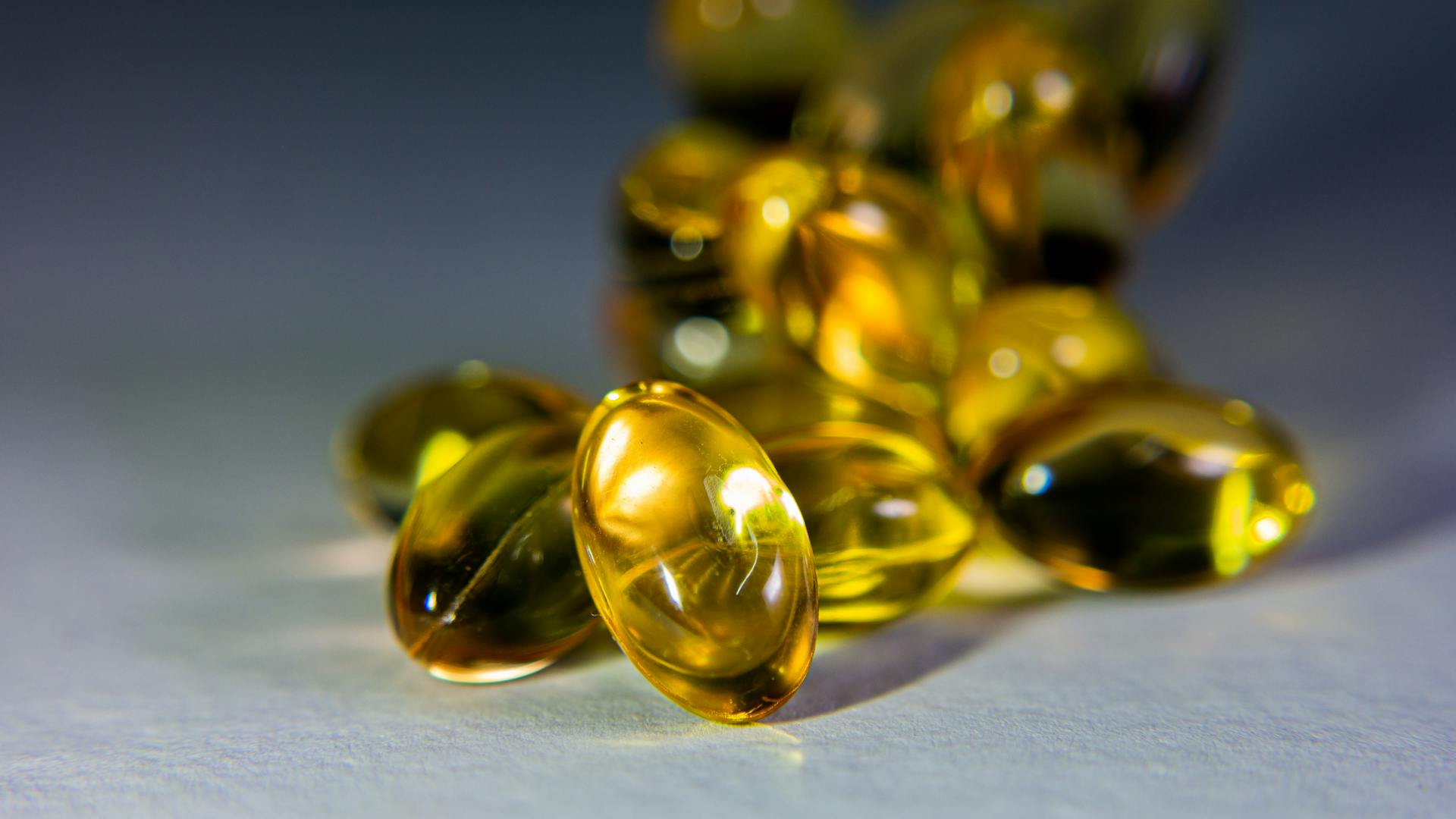
SOFTGEL CAPSULE
MANUFACTURER INDIA
FOR LIBYA
Halal and WHO-GMP certified softgel capsules from Haryana, India — affordable nutraceutical generics for Libya's import-dependent healthcare market. Full export documentation, shipping to Tripoli, Misrata, or overland via Tunisia.
Libya presents a unique pharmaceutical export opportunity — a country of 7 million people with virtually no domestic pharmaceutical manufacturing capacity and near-total dependence on imported medicines and supplements. Over a decade of post-conflict instability has disrupted Libya's healthcare infrastructure, but the fundamental demand for pharmaceutical and nutraceutical products remains strong. The market is almost entirely import-driven, creating sustained opportunity for manufacturers who can provide quality-certified products with reliable documentation.
Libya's regulatory environment is less structured than neighbouring Egypt, Tunisia, or Algeria — the NCCDA (National Center for Disease Control and Prevention) handles some pharmaceutical oversight, but there is no centralized product registration system comparable to stable North African markets. In practice, Libyan importers rely on manufacturer-side certifications — WHO-GMP, Halal, GMP — as the primary quality assurance mechanism. This lower regulatory barrier means faster market entry for certified Indian manufacturers.
Admetus Lifesciences, based in Village Anta, Safidon, Jind, Haryana 126112, manufactures Halal-certified, WHO-GMP compliant softgel capsules suited for the Libyan market — combining the pricing economics of Indian manufacturing with the certifications and documentation that Libyan importers require in the absence of a formal registration framework.
WHY EXPORT SOFTGELS TO LIBYA
Post-conflict market heavily reliant on imports
Libya's healthcare infrastructure has been severely disrupted by over a decade of conflict since 2011. Domestic pharmaceutical manufacturing is virtually non-existent, and the country relies almost entirely on imported medicines, supplements, and nutraceuticals. This import dependency creates sustained demand for affordable, quality-certified products from established international manufacturers — particularly Indian WHO-GMP certified companies that offer the price-quality combination Libyan importers require.
97% Muslim population — Halal certification is mandatory
Libya is one of the most uniformly Muslim countries in the world, with approximately 97% of the 7 million population identifying as Muslim. Halal certification is not a marketing advantage in Libya — it is a fundamental prerequisite for market entry. Products without Halal certification will not be accepted by Libyan importers, distributors, pharmacists, or consumers under any circumstances.
Very low regulatory enforcement creates faster market entry
Unlike Egypt's EDA or Morocco's DMP, Libya does not have a functioning centralized pharmaceutical registration system comparable to stable North African markets. The NCCDA (National Center for Disease Control and Prevention) handles some pharmaceutical oversight, but the practical regulatory barrier for importing quality-certified nutraceuticals is low. WHO-GMP certification and Halal documentation from the manufacturer are the primary quality assurance mechanisms relied upon by Libyan importers.
Multiple supply routes — sea and overland via Tunisia
Libya can be supplied via two routes: direct sea freight to Tripoli or Misrata ports, and overland from Tunisia. Many Libyan importers maintain procurement operations in Tunis or Dubai and handle the final-mile logistics into Libya themselves. This dual-route flexibility makes supply chain management more resilient despite Libya's challenging domestic logistics environment.
HALAL CERTIFIED FOR THE LIBYAN MARKET
Libya is approximately 97% Muslim — one of the most uniformly Muslim countries globally. Halal certification is not a marketing advantage; it is an absolute prerequisite. Products without Halal certification will not enter the Libyan market.
Admetus Lifesciences holds Halal certification covering the entire manufacturing chain — from raw material sourcing (Halal-certified gelatin suppliers with full traceability) through the production process on our ARBES SGX-806P encapsulation line to finished product packaging. This is not a third-party attestation applied at the end; it is integrated into our manufacturing protocols.
For the Libyan market specifically, Halal certification is arguably more critical than in any other North African market because Libya lacks the institutional regulatory frameworks (like Egypt's EDA or Tunisia's DPM) that provide a secondary layer of product vetting. In Libya, manufacturer-side certifications — particularly Halal and WHO-GMP — are the primary trust signals that importers, distributors, pharmacists, and consumers rely on. Without Halal certification, a product has no pathway to market in Libya regardless of its quality or pricing.
Every export shipment to Libya includes a product-specific Halal certificate alongside the Certificate of Analysis, Free Sale Certificate, and commercial documentation — whether shipped directly to Tripoli/Misrata or routed via Tunisia. Our Halal certification is recognized across MENA and North African markets.
SOFTGEL FORMULATIONS FOR LIBYA
Cholecalciferol (Vitamin D3) 60,000 IU
Vitamin D deficiency is widespread across Libya — driven by indoor lifestyles, traditional clothing norms, and dietary gaps. The disruption to Libya's healthcare system means that preventive supplementation is largely managed through the pharmacy retail channel rather than clinical prescribing. Cholecalciferol 60,000 IU softgels serve as weekly therapeutic supplementation distributed through Libya's pharmacy and wholesale networks.
Omega-3 Fatty Acids + Vitamin E
Cardiovascular disease remains a leading cause of death in Libya. Omega-3 softgels with Vitamin E support cardiac health, triglyceride management, and anti-inflammatory response. In a market where specialist cardiology care is limited by the post-conflict healthcare environment, pharmacy-dispensed supplements play an outsized role in cardiovascular health management.
Multivitamin Softgel Capsules
Broad-spectrum nutritional supplementation addressing the micronutrient deficiencies prevalent in Libya's post-conflict population. Disrupted food supply chains and limited dietary diversity make multivitamin supplementation a critical product category in the Libyan pharmacy retail channel — serving both general wellness and clinical nutritional support.
Calcitriol + Calcium Citrate + Vitamin K2-7
Bone health supplementation is critical in Libya — conflict-related injuries, limited access to specialist orthopaedic care, and an aging population segment create sustained demand for calcium and vitamin D metabolite supplementation. Calcitriol + K2-7 formulations support bone mineralization and fracture recovery across Libya's primary healthcare network.
Nigella Sativa (Habbatus Sauda / Black Seed Oil)
Known as Habbatus Sauda in Arabic tradition, Nigella Sativa (black seed / Kalonji) has deep cultural and religious significance across Libya. The Prophet Muhammad (PBUH) referenced it as a remedy for all ailments except death — making it one of the most culturally resonant nutraceutical products in the Libyan market. In Libya's traditional medicine culture, Nigella Sativa is widely consumed. Our softgel encapsulation delivers standardized Nigella Sativa oil with consistent potency.
Beyond these core formulations, Admetus Lifesciences develops custom softgel blends for Libyan distributors targeting specific therapeutic categories. Custom formulation requests are evaluated within 48 hours. Contact us at [email protected] with your formulation requirements.
STREAMLINED IMPORT FRAMEWORK
Libya's pharmaceutical regulatory environment is fundamentally different from its North African neighbours. While Egypt has the EDA, Morocco has the DMP, Algeria has the DPH, and Tunisia has the DPM — Libya does not currently operate a fully functioning centralized pharmaceutical registration authority. The NCCDA (National Center for Disease Control and Prevention) handles some pharmaceutical oversight, but post-conflict institutional disruption means that the practical regulatory barrier for importing quality-certified nutraceuticals is significantly lower than in stable North African markets.
For Indian manufacturers with WHO-GMP certification, Libya represents one of the fastest paths to market in North Africa. The key requirements are manufacturer-side certifications (WHO-GMP, GMP, Halal) and standard export documentation — not a product-by-product registration process. This is similar to the Iraqi market dynamics, where post-conflict reconstruction priorities have resulted in streamlined import frameworks that prioritize getting quality products into the market.
In the absence of a centralized registration system, Libyan importers rely heavily on manufacturer-side quality certifications. WHO-GMP certification, Halal certification, and FSSAI Free Sale Certificate from an Indian manufacturer are the primary trust signals in the Libyan pharmaceutical import chain. Importers who source from WHO-GMP certified facilities can demonstrate product quality to their customers and to any oversight bodies that may be involved.
Admetus Lifesciences provides all manufacturer-side documentation required for Libyan import operations: WHO-GMP certificate, GMP certificate, Halal certificate, Free Sale Certificate from FSSAI, Certificate of Analysis per batch, Certificate of Origin, and commercial documentation. The buyer or their import agent handles the in-country clearance process — whether at Tripoli or Misrata ports or via the Tunisian overland route.
INDIA TO LIBYA SHIPPING ROUTES
Two established logistics paths connect our Haryana facility to Libyan importers — direct sea freight to Tripoli/Misrata or via Tunisia with overland forwarding. Transit time: 12-20 days.
- 01
Production & QC at Jind facility
Softgel capsules manufactured on the ARBES SGX-806P line, dried under controlled conditions, and subjected to multi-point quality testing — visual inspection, weight uniformity, dissolution, microbial limits. Full Certificate of Analysis (COA) generated per batch.
- 02
Export packaging & documentation
Products packed in export-grade secondary packaging with desiccants and tamper-evident sealing. Export documentation prepared: COA, Halal certificate, Free Sale Certificate (FSSAI), commercial invoice, packing list, and bill of lading. Arabic labeling supported for the Libyan market.
- 03
Dispatch from JNPT port
Sea freight from JNPT (Nhava Sheva, Mumbai) — India's largest west-coast container port. Regular shipping lines operate on the India-Suez-Mediterranean route with services to North African ports.
- 04
Arrival at Tripoli or Misrata port — or overland via Tunisia
Two primary logistics paths: (1) Direct sea freight to Tripoli port or Misrata port — Libya's main commercial ports. (2) Sea freight to Tunis/Rades (Tunisia) followed by overland transport to Libya — a route commonly used by Libyan importers who maintain Tunis-based procurement operations. The Tunisia overland route provides logistics resilience when Libyan port operations are disrupted.
- 05
Transit time: 12-16 days (direct) / 14-20 days (via Tunisia)
Direct JNPT to Tripoli / Misrata transit is approximately 12-16 days via the Suez Canal and central Mediterranean route. The Tunisia transshipment route (JNPT to Rades + overland to Libya) typically takes 14-20 days total. Air freight via Delhi to Tripoli's Mitiga Airport is available for urgent or sample shipments where commercial air links are operational.
EXPORT DOCUMENTATION FOR LIBYA
Certificate of Analysis (COA)
Batch-specific laboratory analysis confirming identity, potency, purity, dissolution, and microbial limits for every shipment.
Halal Certificate
Product-level Halal certification confirming compliance with Islamic dietary and manufacturing standards — absolutely essential for Libya's 97% Muslim market. Without Halal certification, products will not be accepted.
Free Sale Certificate (FSSAI)
Issued by FSSAI (Food Safety and Standards Authority of India), confirming that the products are legally manufactured and freely sold in India.
Commercial Invoice & Packing List
Detailed commercial invoice with HS codes, unit pricing, total value, and comprehensive packing list for customs clearance at Tripoli, Misrata, or via the Tunisian overland route.
GMP / WHO-GMP Certificate
Manufacturing facility certification confirming compliance with Good Manufacturing Practice and World Health Organization GMP standards — the primary quality assurance benchmark relied upon by Libyan importers in the absence of a centralized registration system.
Certificate of Origin
Issued by the Indian Chamber of Commerce, confirming the country of manufacture for Libyan customs and import duty assessment.
LIBYA EXPORT Q&A
01Is Halal certification available for all softgel products exported to Libya?
Yes — and it is absolutely mandatory. Our Jind facility holds Halal certification covering the entire manufacturing process — raw materials, gelatin sourcing, production line, and finished products. Halal certificates are included with every export shipment to Libya. The gelatin used in our softgel shells is sourced from Halal-certified suppliers with full traceability documentation. Libya's 97% Muslim population makes Halal certification a non-negotiable requirement for any ingestible product.
02What is the regulatory process for importing nutraceutical softgels into Libya?
Libya's pharmaceutical regulatory environment is less structured than neighbouring countries like Egypt or Tunisia due to the ongoing post-conflict institutional situation. The NCCDA (National Center for Disease Control and Prevention) handles some pharmaceutical oversight, but there is no centralized product registration system comparable to Egypt's EDA or Morocco's DMP. In practice, Libyan importers rely on manufacturer-side certifications — WHO-GMP, Halal, Free Sale Certificate — as the primary quality assurance mechanism. Admetus Lifesciences provides all manufacturer-side documentation required. The buyer or their Libyan import agent handles in-country customs clearance.
03What is the minimum order quantity for export to Libya?
MOQs are flexible based on the formulation, packaging format, and order configuration. We support pilot shipments for new Libyan distributors establishing the product line, as well as regular orders for established importers. Given the logistics complexity of the Libyan market, we work with importers to find order sizes that balance MOQ requirements with practical shipping economics. Specific MOQ for your order is confirmed within 48 hours of inquiry at [email protected].
04Can shipments be routed via Tunisia for overland delivery to Libya?
Yes. Many Libyan importers prefer the Tunisia overland route — shipping to Rades port (Tunis) and then transporting overland to Libya. This route provides logistics resilience and is familiar to Libyan trading companies that maintain Tunis-based operations. We can prepare export documentation for either direct Libyan port delivery or the Tunisia transshipment route. Discuss your preferred logistics path with our export team at [email protected].
05Can you supply softgels under our brand name for the Libyan market?
Yes. We operate as a private-label and contract manufacturer — your brand name, packaging design, and labeling specifications are applied to the finished product. We support Arabic labeling for the Libyan market. Brand artwork approval and proof signoff happens before production begins. See our private label softgel manufacturer page for the full process.
06What payment terms do you offer for Libyan buyers?
Given the financial infrastructure challenges in Libya, we typically work with Libyan buyers through T/T (telegraphic transfer) with 30-50% advance payment and the balance against shipping documents. Letter of Credit (LC) arrangements depend on the issuing bank. Many Libyan importers process payments through Tunisia or Dubai-based intermediaries — we accommodate these arrangements. For first-time buyers, we recommend starting with a pilot order. Specific terms are confirmed in the proforma invoice.
EXPORT SOFTGELS TO LIBYA
For Libyan importers and distributors seeking a WHO-GMP and Halal certified softgel capsule manufacturer in India — share your requirements and our export team will respond within 48 hours.