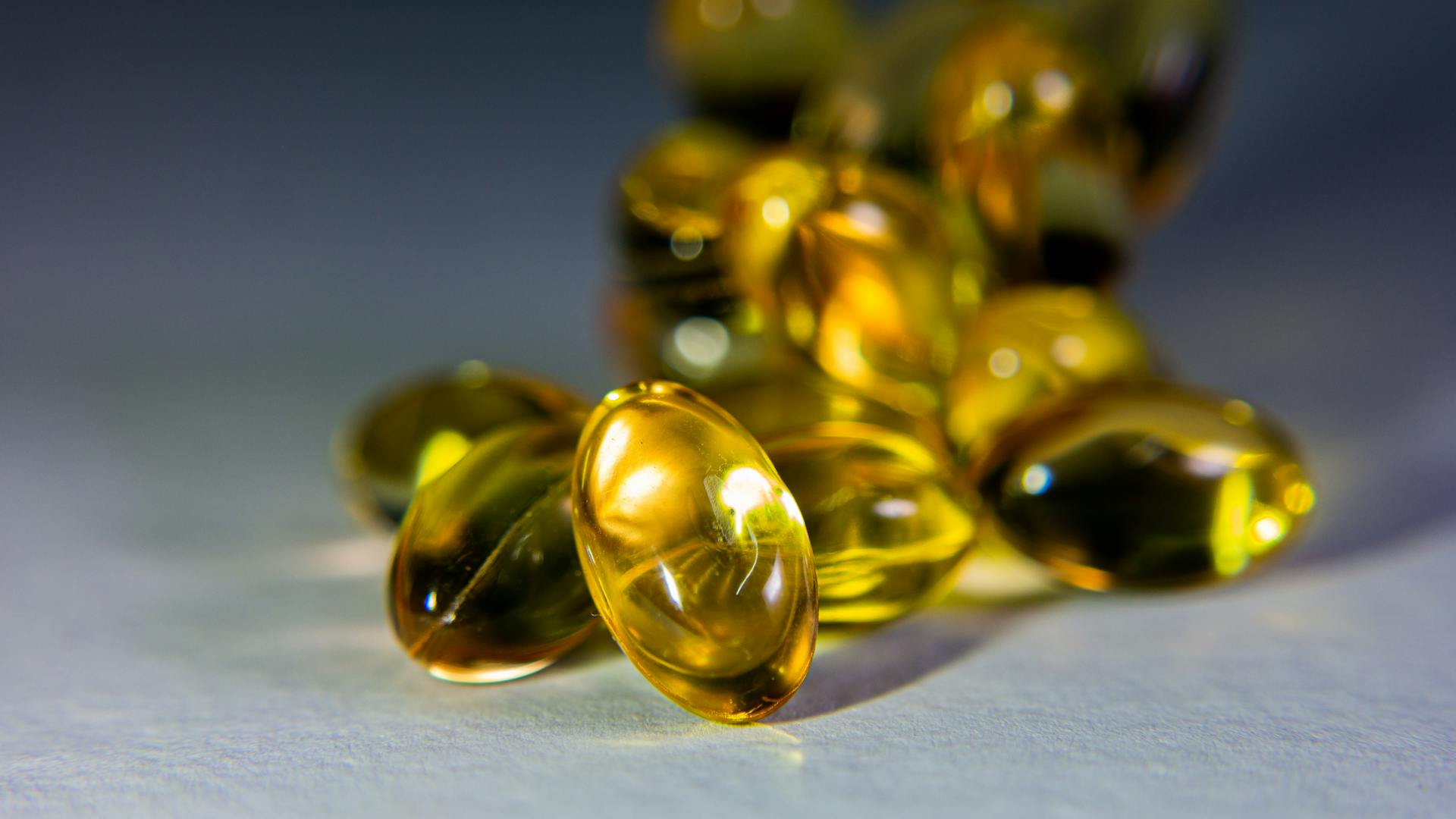
SOFTGEL CAPSULE
MANUFACTURER INDIA
FOR SOUTH SUDAN
WHO-GMP certified softgel capsules from Haryana, India — serving South Sudan's humanitarian and commercial pharmaceutical demand with quality-assured products, flexible volumes, and multi-corridor shipping options.
SOUTH SUDAN'S PHARMACEUTICAL IMPORT LANDSCAPE
South Sudan is the world's youngest nation, having gained independence from Sudan in 2011. With a population of approximately 12 million, South Sudan is almost 100% import-dependent for pharmaceutical and nutraceutical products — the country has virtually no domestic pharmaceutical manufacturing capacity. This total import-dependence creates a sustained and growing demand for quality-assured pharmaceutical products from established international manufacturers.
India is one of South Sudan's most important pharmaceutical supplier nations. Indian-manufactured antibiotics, anti-malarials, antiretrovirals, and basic medicines form the backbone of South Sudan's pharmaceutical supply — both through commercial private-sector imports and through institutional procurement by UN agencies, international NGOs, and donor-funded health programs. South Sudan relies heavily on Indian pharmaceutical manufacturers for affordable, quality-assured essential medicines.
South Sudan's pharmaceutical market operates through two parallel channels. The humanitarian/institutional channel — driven by UN agencies (UNICEF, WHO, UNFPA), international NGOs (MSF, IMC, IRC), and donor-funded programs (Global Fund, PEPFAR, USAID) — accounts for a significant portion of pharmaceutical supply, particularly for essential medicines, anti-malarials, and HIV/AIDS treatment. The commercial private-sector channel operates through importers and distributors based primarily in Juba, serving private pharmacies, clinics, and hospitals.
South Sudan's disease burden is dominated by infectious diseases — malaria, respiratory infections, diarrheal diseases, HIV/AIDS, and tuberculosis. However, micronutrient deficiency is pervasive and severe, driven by conflict-related food insecurity, population displacement, and limited healthcare access. Multivitamin supplementation, Vitamin D3, and nutritional support products are in high demand across both humanitarian and commercial channels.
SOUTH SUDAN IMPORT PROCESS
South Sudan's pharmaceutical regulatory framework is still developing. Import processes involve authorization from the Ministry of Health and quality documentation verification, with specifics varying by import pathway.
- 01
Identify import pathway — commercial or institutional
South Sudan's pharmaceutical regulatory framework is minimal compared to established East African markets. The country's regulatory authority has limited capacity for formal product registration processes. Importers typically enter the market through one of two pathways: commercial private-sector import with basic customs documentation, or institutional/humanitarian procurement through UN agencies, NGOs, and international health organizations which have their own supplier qualification processes.
- 02
Obtain import authorization
Commercial pharmaceutical imports require authorization from South Sudan's Ministry of Health or the relevant regulatory office. The specific requirements and processes can vary and may be subject to change given the country's evolving governance structures. We recommend that importers work with a local agent in Juba who is familiar with current import authorization procedures. Admetus provides all manufacturer documentation needed for any authorization process.
- 03
Provide manufacturer quality documentation
Regardless of the import pathway, quality documentation is essential. We provide: WHO-GMP certificate, Certificate of Analysis (batch-specific), Certificate of Pharmaceutical Product (WHO format) from CDSCO India, product specifications, stability data, and manufacturing process documentation. For institutional procurement, we additionally provide documentation aligned with WHO prequalification standards and donor-specific requirements.
- 04
Coordinate logistics through Kenya or Djibouti
South Sudan is landlocked and conflict-affected, with limited transport infrastructure. Most pharmaceutical imports enter via Mombasa port (Kenya) and are transported overland to Juba via Uganda. Alternative routes include via Djibouti/Port Sudan. The importer's logistics partner manages the multi-stage transit, and we provide all export documentation formatted for the specific routing selected.
- 05
Customs clearance at Juba or border point
Customs clearance for pharmaceutical imports is processed at Juba's customs facilities or at border crossing points (Nimule from Uganda, or other entry points). The importer's clearing agent handles customs processing with the documentation package we provide — commercial invoice, packing list, COA, and import authorization evidence. Clearance timelines are variable and depend on current conditions.
- 06
Post-import quality verification
For institutional and donor-funded procurement, post-import quality verification may be conducted by the procuring organization or a designated quality assurance partner. We provide comprehensive quality documentation for each batch and can facilitate third-party testing if required. For commercial imports, the importer takes responsibility for post-import quality management.
SOUTH SUDAN — THE WORLD'S YOUNGEST NATION
South Sudan gained independence on 9 July 2011, making it the world's youngest nation. Since independence, the country has faced significant challenges — civil conflict, displacement of millions of people, economic instability, and severe healthcare infrastructure gaps. These challenges have created a pharmaceutical market that is almost entirely dependent on imports and where demand is driven by both humanitarian need and emerging commercial activity.
Despite these challenges, South Sudan represents a real and ongoing market for quality pharmaceutical products. The presence of major international organizations — UNMISS (UN Mission in South Sudan), WHO, UNICEF, MSF, and dozens of international NGOs — creates institutional procurement demand that operates through established supply chains. The commercial private-sector market in Juba, while smaller, is growing as stability improves in the capital.
For Admetus, South Sudan is a market where our WHO-GMP certification provides critical quality assurance in an environment where substandard medicines are a documented risk. We serve importers and organizations that are committed to delivering quality health products to a population with enormous unmet healthcare needs. Our flexible volumes, strong documentation, and multi-corridor shipping capability make us a reliable supplier for this logistically challenging market.
WHY SOUTH SUDAN IMPORTERS CHOOSE US
WHO-GMP certification for a quality-starved market
South Sudan's pharmaceutical market is almost entirely import-dependent, with minimal domestic manufacturing capacity. Quality assurance is a critical concern — substandard and counterfeit medicines are a documented problem. Our WHO-GMP certification provides verifiable evidence of manufacturing quality, giving South Sudanese importers, NGOs, and international organizations confidence in the products they procure. WHO-GMP status is increasingly required by institutional buyers and donor-funded programs operating in South Sudan.
Serving both humanitarian and commercial demand
South Sudan has a dual pharmaceutical market — humanitarian/institutional procurement (through UN agencies, NGOs, and international health organizations) and commercial private-sector import. Admetus can serve both channels. Our WHO-GMP certification and documentation standards meet the requirements of institutional procurement processes, while our competitive pricing and flexible MOQs serve private-sector importers and distributors operating in Juba and other major towns.
Five international certifications including Halal
Beyond WHO-GMP, our facility holds FSSAI, GMP, HACCP, and Halal certifications. South Sudan has a small but present Muslim population, and Halal certification adds distribution flexibility. More importantly, our multi-certification profile meets the diverse procurement requirements of international organizations, NGOs, and private-sector importers who may have their own supplier qualification criteria beyond basic GMP compliance.
Competitive pricing for an aid-dependent and cost-sensitive market
South Sudan is one of the world's poorest nations, and both commercial and humanitarian pharmaceutical procurement are extremely price-sensitive. Our Haryana facility operates with lower overhead than manufacturers in Mumbai, Hyderabad, or Ahmedabad. This cost advantage is critical for South Sudan, where affordability directly determines whether essential health products reach the population that needs them most.
Flexible MOQ for a fragmented market
South Sudan's market is fragmented — distribution is concentrated in Juba with limited reach into rural areas and conflict-affected regions. Initial order volumes are typically small compared to larger East African markets. We support pilot-volume orders for market entry and institutional sample submission, with the ability to scale as distribution networks expand. This flexibility is essential for importers navigating South Sudan's challenging operating environment.
SOFTGEL FORMULATIONS FOR SOUTH SUDAN
Multivitamin Softgel Capsules
Micronutrient deficiency is pervasive in South Sudan — one of the most nutritionally challenged nations in the world. Iron, Vitamin A, zinc, and folate deficiencies are widespread across the population, exacerbated by conflict, displacement, and food insecurity. Multivitamin softgel capsules serve both institutional distribution (NGO nutrition programs, UN agency procurement, refugee camp health facilities) and the limited commercial pharmacy channel in Juba. This is the highest-demand nutraceutical category in South Sudan.
Cholecalciferol (Vitamin D3) 60,000 IU
Vitamin D deficiency is documented in South Sudan's population, particularly among displaced populations, women, and children with limited dietary diversity. The high-dose 60,000 IU softgel format is practical for humanitarian and clinical settings where weekly dosing protocols are more feasible than daily supplementation. Health facilities in Juba and regional centers increasingly recognize Vitamin D supplementation as an important component of nutritional support programs.
Omega-3 Fatty Acids + Vitamin E
While South Sudan's primary health burden is infectious disease, non-communicable diseases are present and under-served, particularly among Juba's urban population. Omega-3 softgel capsules are available through pharmacy retail in Juba and are recommended by healthcare providers at the limited number of private clinics and hospitals serving the capital's relatively more affluent population.
Antioxidant Formulations (Lycopene + Grape Seed Extract)
Antioxidant formulations serve Juba's small but growing commercial pharmacy market and the private healthcare sector. As South Sudan's urban economy develops, there is emerging demand for preventive health products among the small middle class, NGO expatriates, and UN staff — a niche but consistent market segment that values quality-assured health supplements.
Calcitriol + Calcium Citrate + Vitamin K2-7
Bone health formulations address calcium deficiency and nutritional support needs in South Sudan's women's health segment. Calcium deficiency is common, particularly among women of reproductive age. These formulations serve health facilities in Juba and are relevant for maternal health programs run by international organizations operating in South Sudan.
We manufacture 10+ standard softgel formulations with custom formulation development on request. All products can be supplied under your brand name or in institutional packaging for the South Sudan market. See our complete product catalog and private label service for full details.
DOCUMENTATION FOR IMPORT & PROCUREMENT
Certificate of Analysis (COA)
Batch-specific quality certificate covering identity testing, assay, dissolution, microbial limits, heavy metals, and physical parameters. Essential for all import pathways — commercial, institutional, and humanitarian. Required by institutional buyers and recommended for commercial imports to establish product quality credentials.
Certificate of Pharmaceutical Product (WHO Format)
Issued by India's CDSCO in WHO format, the CPP confirms that the product is registered, manufactured under GMP conditions, and freely sold in India. Required by institutional procurement processes and international organizations. Admetus coordinates the CPP application with CDSCO.
WHO-GMP Certificate
World Health Organization Good Manufacturing Practice certificate for the manufacturing facility. This is the single most important quality credential for the South Sudan market — it provides verifiable quality assurance in a market where regulatory oversight is limited and substandard products are a documented concern.
Product Specifications & Stability Data
Comprehensive product specifications and stability study results under ICH Zone IVa conditions (hot and humid). Particularly important for South Sudan given the country's tropical climate and the extended supply chain transit times involved in reaching this landlocked, logistically challenging market.
Halal Certificate
Halal certification for the manufacturing facility and specific products. Provides additional procurement flexibility for institutional buyers serving diverse population groups and for commercial distribution in South Sudan's market.
Commercial Invoice & Packing List
Detailed commercial invoice with FOB/CIF Mombasa pricing, HS codes, tariff classifications, and payment terms. Packing list with batch numbers, quantities, net/gross weights, and container loading details. Formatted for the specific routing selected — whether via Mombasa/Uganda or via alternative corridors.
INDIA TO SOUTH SUDAN SHIPPING ROUTES
South Sudan is reached via multiple shipping corridors — primarily through Mombasa (Kenya) via Uganda, with alternative routes through Djibouti or Port Sudan.
- 01
Origin: JNPT (Mumbai) or Mundra Port
Products are dispatched from our Jind, Haryana facility to JNPT port in Mumbai (approximately 1,200km by road, 2-3 days transit) or Mundra Port in Gujarat. Both ports have regular container services to Mombasa. Cargo is consolidated, inspected, and cleared for export at the port's pharmaceutical cargo handling facilities.
- 02
Primary route: India to Mombasa to Juba via Uganda
The primary shipping route is: JNPT/Mundra to Mombasa (10-14 days ocean transit), then overland through Kenya to Uganda (3-5 days), then Uganda to Juba via the Nimule border crossing (1-2 days). Total transit from port to Juba is approximately 20-30 days including border processing. This is the most established and commonly used route for commercial pharmaceutical imports to South Sudan.
- 03
Alternative route: via Djibouti or Port Sudan
Alternative routes include sea freight to Djibouti (10-14 days from JNPT) with overland transit through Ethiopia and South Sudan's northern border, or via Port Sudan with overland transit through Sudan. These routes are less commonly used for commercial pharmaceutical cargo but may be relevant for specific logistics arrangements or humanitarian supply operations serving northern South Sudan.
- 04
Packaging for extended transit
All South Sudan-bound shipments are packed in pharmaceutical-grade export packaging designed for extended multi-modal transit — blister packs or bottles in outer cartons, master cartons with desiccants, tamper-evident sealing, and batch identification. Packaging is engineered for South Sudan's tropical climate and the extended transit times involved in reaching this landlocked market. We coordinate with the buyer's freight forwarder or recommend trusted logistics partners experienced in the South Sudan corridor.
SOUTH SUDAN EXPORT Q&A
01What is the regulatory process for importing softgels to South Sudan?
South Sudan's pharmaceutical regulatory framework is still developing — the country gained independence in 2011 and has faced significant governance challenges. There is no fully established pharmaceutical registration process comparable to Kenya's PPB or Uganda's NDA. Pharmaceutical imports typically require authorization from the Ministry of Health or relevant regulatory office, along with quality documentation (WHO-GMP certificate, COA, CPP). For institutional/humanitarian procurement, the procuring organization (UN agency, NGO) applies its own supplier qualification process. We recommend working with a local agent in Juba who is familiar with current import procedures, which can change. Admetus provides all manufacturer documentation needed for any import pathway.
02How does pharmaceutical supply reach South Sudan?
South Sudan is landlocked and has limited transport infrastructure. The primary pharmaceutical supply route is: sea freight from India to Mombasa port (Kenya), overland through Kenya to Uganda, then overland from Uganda to Juba via the Nimule border crossing. Alternative routes include via Djibouti port to Port Sudan and overland, though this route is less commonly used for commercial pharmaceutical cargo. Air freight to Juba International Airport is used for urgent humanitarian supplies but is significantly more expensive. Total transit from India to Juba via the Mombasa-Uganda route is typically 20-30 days plus customs clearance.
03What is the MOQ for South Sudan export orders?
MOQs are flexible and calibrated for South Sudan's market realities. The country has a population of approximately 12 million with limited distribution infrastructure concentrated in Juba. For initial orders — particularly for market entry or institutional procurement samples — we offer pilot volumes. For humanitarian procurement, we work with the procuring organization's order specifications. Specific MOQ and pricing are confirmed within 48 hours of inquiry at [email protected].
04Can Admetus supply to UN agencies and NGOs operating in South Sudan?
Yes. Our WHO-GMP certification, comprehensive quality documentation, and experience with institutional procurement standards position us to serve as a supplier to organizations operating in South Sudan. We can provide documentation aligned with UN procurement requirements, WHO prequalification standards, and donor-specific quality requirements. We support both direct procurement by international organizations and indirect supply through authorized local importers who serve institutional clients in South Sudan.
05What are the payment and trade terms for South Sudan?
South Sudan's financial system presents challenges — the country has experienced currency instability, limited banking infrastructure, and foreign exchange constraints. For commercial orders, we typically require advance payment or confirmed letter of credit through an international bank. For institutional procurement through UN agencies or established international NGOs, standard institutional payment terms apply. We work with each buyer to find a payment structure that manages risk for both parties. Details are discussed during the inquiry process.
06Is South Sudan safe for pharmaceutical trade?
South Sudan has experienced significant conflict since independence in 2011, with a fragile peace process ongoing. Security conditions vary by region — Juba and some state capitals are generally stable for commercial activity, while other areas may have active conflict or access restrictions. Pharmaceutical trade is concentrated in Juba and operates through established commercial and humanitarian supply chains. Indian pharmaceutical exports to South Sudan continue through both commercial and institutional channels. We recommend that importers and their logistics partners maintain current awareness of security conditions and plan logistics accordingly.
START YOUR SOUTH SUDAN EXPORT ORDER
Contact our export team to discuss your South Sudan import requirements — quality documentation, formulation selection, MOQ, pricing, and multi-corridor shipping options. We respond within 48 hours.