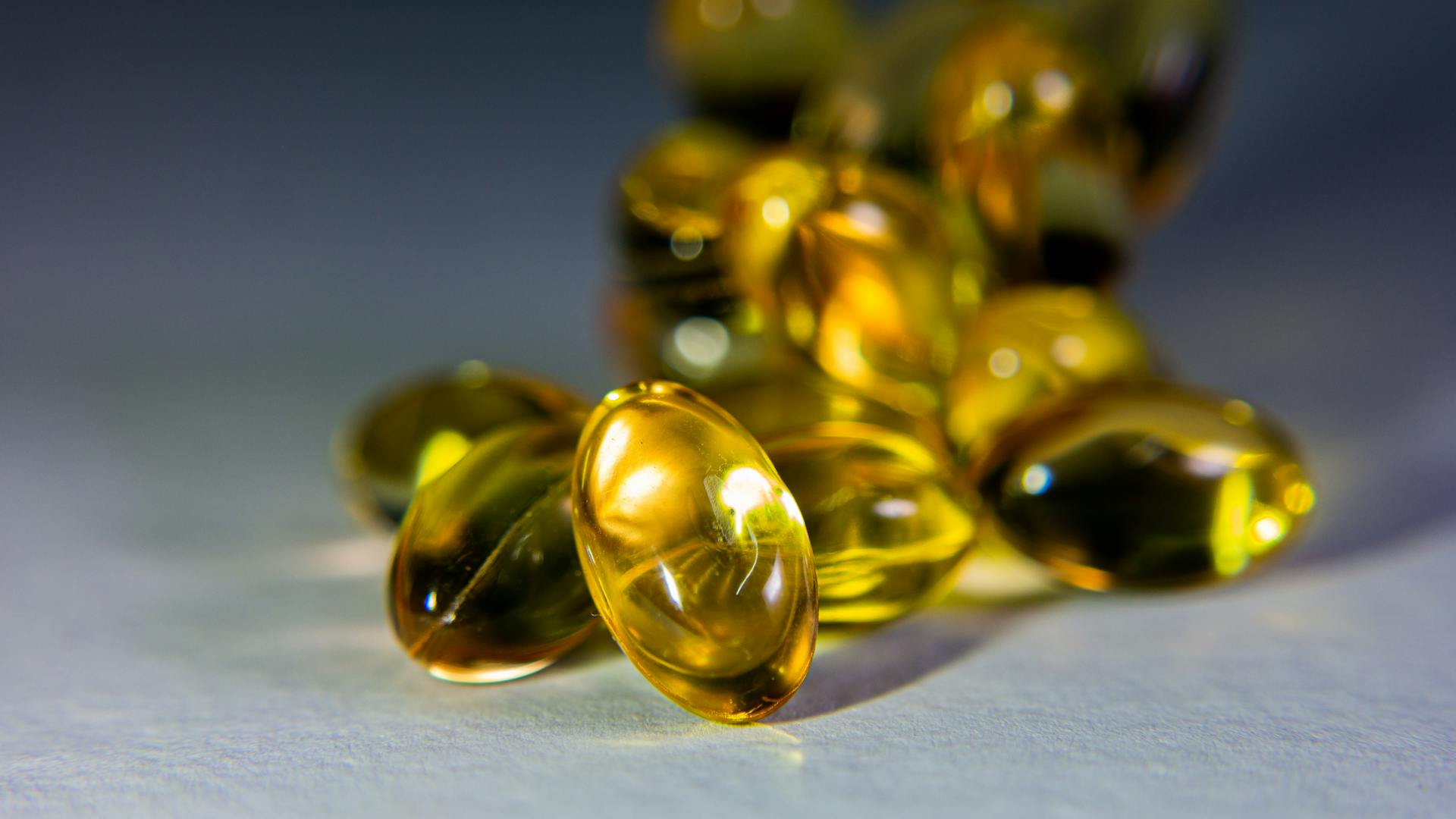
SOFTGEL CAPSULE
MANUFACTURER INDIA
FOR SUDAN
WHO-GMP and Halal certified softgel capsules from Haryana, India — serving Sudanese importers with NMPB-ready documentation, fast Red Sea shipping (7-10 days), competitive pricing, and flexible order volumes.
SUDAN'S PHARMACEUTICAL IMPORT LANDSCAPE
Sudan is a Muslim-majority country with a population of 45 million and an import-dependent pharmaceutical market. With approximately 91% of the population following Islam, Halal certification is a fundamental requirement — not a preference — for any pharmaceutical or nutritional product entering the Sudanese market. India is already an established pharmaceutical supplier to Sudan, with recognized quality standards and an existing trade corridor that Indian manufacturers can leverage.
Sudan's healthcare landscape is shaped by both its disease burden and its post-conflict recovery trajectory. The country faces significant health challenges — malaria, dengue, tuberculosis, and other infectious diseases remain prevalent. Simultaneously, non-communicable diseases including cardiovascular disease, diabetes, and hypertension are rising in urban centres like Khartoum, Omdurman, and Port Sudan. Chronic malnutrition and micronutrient deficiencies are widespread, particularly among women, children, and displaced populations. This complex health profile creates sustained demand for both essential medicines and nutritional supplements.
The National Medicines & Poisons Board (NMPB) regulates all pharmaceutical and health product imports into Sudan. The registration process requires a local licensed importer, product registration dossier with quality data, WHO-GMP certificate verification, Certificate of Pharmaceutical Product (WHO format) from CDSCO India, and critically — Halal certification. NMPB's framework recognizes Indian WHO-GMP certified manufacturers, providing a structured pathway for regulatory compliance.
Sudan's strategic position on the Red Sea provides a significant logistics advantage for Indian exporters. Port Sudan — the country's primary port — is reachable from JNPT (Mumbai) in just 7-10 days by sea freight, making it one of the fastest India-to-Africa shipping routes. This fast transit time reduces supply chain lead times and minimizes product exposure to extended ocean transit conditions. International humanitarian organisations (WHO, UNICEF, ICRC, MSF) are significant purchasers in Sudan's pharmaceutical market and require WHO-GMP certification from manufacturers.
NMPB SUDAN REGISTRATION PROCESS
The National Medicines & Poisons Board (NMPB) regulates all pharmaceutical and health product imports into Sudan. The registration process requires a local licensed importer, product dossier, GMP verification, Halal certification, and quality testing.
- 01
Appoint a local licensed pharmaceutical importer
NMPB Sudan requires all imported pharmaceutical and health products to be represented by a locally licensed pharmaceutical importer or authorized agent. The Sudanese entity must hold appropriate licenses from NMPB and the Federal Ministry of Health, and is responsible for the product registration application, NMPB correspondence, and post-market obligations. This local partnership is mandatory before any product registration can proceed. Importers are typically based in Khartoum or Port Sudan.
- 02
Manufacturer GMP compliance verification
NMPB evaluates GMP compliance of foreign manufacturing facilities as part of the product registration process. This typically involves review of GMP documentation — including the WHO-GMP certificate, facility documentation, quality system overview, and manufacturing process descriptions. Our WHO-GMP certification provides strong evidence of manufacturing quality and significantly facilitates NMPB's assessment process.
- 03
Submit product registration dossier
NMPB requires a product registration dossier that includes manufacturing and quality information, product specifications, stability data, labeling samples (Arabic-language labeling may be required), and supporting certificates. Admetus prepares the complete quality documentation including manufacturing process validation, analytical methods, stability data under ICH Zone IVa conditions (hot and dry — relevant for Sudan's climate), and Certificate of Analysis templates.
- 04
Provide Certificate of Pharmaceutical Product (WHO format)
NMPB requires a Certificate of Pharmaceutical Product (CPP) in WHO format issued by the Central Drugs Standard Control Organisation (CDSCO) of India. The CPP confirms that the product is registered, manufactured under GMP conditions, and freely sold in the country of origin. Admetus coordinates the CPP application with CDSCO and provides the authenticated certificate as part of the registration package.
- 05
Halal certification verification
Given Sudan's Muslim-majority population (91%), NMPB and Sudanese importers place significant emphasis on Halal certification. The Halal certificate must cover both the manufacturing facility and the specific product formulations — confirming that no haram (prohibited) ingredients are used and that manufacturing processes comply with Islamic standards. Admetus provides comprehensive Halal certification documentation as part of every registration package for Sudan.
- 06
Import permit and customs clearance
Once product registration is approved, each import shipment requires an import permit from NMPB and customs clearance through Sudan Customs at Port Sudan. The Sudanese importer's clearing agent processes the import documentation with the export paperwork we provide — commercial invoice, packing list, COA, Halal certificate, and NMPB registration evidence. Port clearance at Port Sudan typically takes 5-10 business days.
SUDAN — RED SEA ACCESS & NORTHEAST AFRICA GATEWAY
Sudan's strategic position on the Red Sea gives it one of the fastest maritime connections from India of any African country. Port Sudan is reachable from JNPT (Mumbai) in just 7-10 days — compared to 10-14 days for East African ports and 14-18 days for Southern African ports. This geography makes Sudan one of the most accessible African markets for Indian pharmaceutical exporters, with reduced transit times, lower freight costs relative to transit duration, and faster supply chain responsiveness.
Sudan borders seven countries — Egypt, Libya, Chad, Central African Republic, South Sudan, Ethiopia, and Eritrea. This geographic position at the intersection of North Africa, the Sahel, and the Horn of Africa positions Sudan as a potential distribution hub for pharmaceutical products serving the broader Northeast African region. Cross-border pharmaceutical trade with neighbouring countries represents a future growth opportunity for importers establishing supply relationships in Khartoum and Port Sudan.
Sudan is a member of the Common Market for Eastern and Southern Africa (COMESA), the Arab League, and the Organisation of Islamic Cooperation (OIC) — providing trade framework access to multiple regional and international blocs. These memberships facilitate cross-border trade and create opportunities for Halal-certified pharmaceutical products to access broader markets in the Arab and Islamic world from a Sudanese base.
WHY SUDANESE IMPORTERS CHOOSE US
Halal certification — essential for Sudan's Muslim-majority market
Sudan is a Muslim-majority country — approximately 91% of the population follows Islam. Halal certification is not merely a preference but a fundamental market requirement for pharmaceutical and nutritional products. Admetus holds Halal certification for its manufacturing facility and product range, ensuring all softgel formulations meet Islamic dietary and manufacturing standards. This certification is non-negotiable for effective distribution across Sudan's pharmacy, hospital, and retail channels.
WHO-GMP certification for NMPB compliance
The National Medicines & Poisons Board (NMPB) of Sudan requires evidence of GMP compliance from foreign pharmaceutical manufacturers as part of the product registration process. Admetus holds WHO-GMP certification for its Jind, Haryana facility, which aligns with NMPB's manufacturing quality requirements and facilitates the regulatory dossier review. WHO-GMP status is a recognized standard in Sudan's pharmaceutical import framework.
Established India-Sudan pharmaceutical trade relationship
India is already a significant pharmaceutical exporter to Sudan, with an established trade corridor and recognized quality standards. Indian pharmaceutical products are well-accepted in the Sudanese market, and Indian manufacturers with WHO-GMP certification have a recognized pathway through NMPB's regulatory framework. Admetus builds on this established India-Sudan pharmaceutical trade relationship to offer Sudanese importers reliable, quality-certified softgel supply.
Competitive pricing for an import-dependent market
Sudan's pharmaceutical market is heavily import-dependent with limited domestic manufacturing capacity. Price competitiveness is critical — Sudan's economic challenges and currency pressures make landed cost a primary determinant of commercial viability. Our Haryana facility operates with lower overhead than manufacturers in Mumbai, Hyderabad, or Ahmedabad, enabling the most competitive pricing possible for the Sudanese market while maintaining WHO-GMP quality standards.
Fast Red Sea shipping route — 7-10 days to Port Sudan
Sudan's Port Sudan, located on the Red Sea, offers one of the fastest maritime routes from India to any African country. Sea freight from JNPT (Mumbai) to Port Sudan takes approximately 7-10 days — significantly faster than the 14-22 day transit times to East or Southern African ports. This fast shipping route reduces lead times, improves supply chain responsiveness, and minimizes pharmaceutical exposure to extended ocean transit conditions.
SOFTGEL FORMULATIONS FOR THE SUDANESE MARKET
Cholecalciferol (Vitamin D3) 60,000 IU
Vitamin D deficiency is highly prevalent in Sudan despite the country's abundant sunshine — cultural practices of covering skin (particularly among women), limited dietary intake, and urban lifestyles contribute to widespread deficiency. Sudanese healthcare providers increasingly prescribe high-dose Vitamin D3 for deficiency treatment, immune support, and bone health. The 60,000 IU softgel format is preferred for therapeutic loading doses, with weekly dosing protocols becoming standard in Sudanese clinical practice.
Omega-3 Fatty Acids + Vitamin E
Non-communicable diseases — particularly cardiovascular disease, hypertension, and diabetes — are a significant and growing health burden in Sudan. The epidemiological transition from infectious to non-communicable diseases is well underway, particularly in urban centres like Khartoum, Omdurman, and Port Sudan. Omega-3 softgel capsules are recommended by Sudanese healthcare providers for cardiovascular protection and are available through pharmacy channels in major cities.
Multivitamin Softgel Capsules
Micronutrient deficiency is a critical public health challenge in Sudan — iron, zinc, Vitamin A, and folate deficiencies are widespread, particularly among women of reproductive age and children under five. The ongoing conflict and displacement have exacerbated nutritional deficiencies across the population. Multivitamin softgel capsules serve both the institutional market (government health programmes, WHO and UNICEF nutrition interventions, NGO-funded programmes) and the private pharmacy retail channel in Khartoum and other major urban centres.
Antioxidant Formulations (Lycopene + Grape Seed Extract)
Preventive health awareness is growing among Sudan's urban educated population, particularly in Khartoum's expanding middle class. Antioxidant formulations targeting cardiovascular protection, immune support, and prostate health (Lycopene) are gaining traction in urban pharmacy retail. Sudan's young population (median age approximately 19 years) and rising health awareness represent a developing market for preventive nutritional supplements.
Calcitriol + Calcium Citrate + Vitamin K2-7
Bone health formulations address a critical need in Sudan — calcium deficiency is widespread due to limited dairy consumption and dietary diversity. The Calcitriol-Calcium-K2 combination is particularly relevant for pregnant and lactating women (a large demographic in Sudan's young, high-fertility population), post-menopausal women, and elderly patients. Sudanese orthopedic specialists in Khartoum's medical facilities are increasingly prescribing advanced bone health formulations.
We manufacture 10+ standard softgel formulations with custom formulation development on request. All products are Halal certified and can be supplied under your brand name for the Sudanese market. See our complete product catalog and private label service for full details.
DOCUMENTATION FOR NMPB & CUSTOMS
Certificate of Analysis (COA)
Batch-specific quality certificate covering identity testing, assay, dissolution, microbial limits, heavy metals, and physical parameters. Required by NMPB for product registration and by Sudanese importers for each shipment's customs clearance at Port Sudan.
Certificate of Pharmaceutical Product (WHO Format)
Issued by India's CDSCO in WHO format, the CPP confirms that the product is registered, manufactured under GMP conditions, and freely sold in India. NMPB Sudan requires a WHO-format CPP as part of the product registration dossier. Admetus coordinates the CPP application with CDSCO.
WHO-GMP Certificate
World Health Organization Good Manufacturing Practice certificate for the manufacturing facility. NMPB requires GMP compliance evidence as a baseline for product registration — this certificate is a key document in the NMPB registration dossier and demonstrates manufacturing quality standards accepted in Sudan's regulatory framework.
Halal Certificate
Halal certification for the manufacturing facility and specific product formulations. This is a critical document for Sudan's Muslim-majority market (91% Muslim population). The Halal certificate confirms that no haram ingredients are used and manufacturing processes comply with Islamic standards. Required by NMPB, importers, and retailers across Sudan.
Quality Dossier (Manufacturing & Stability Data)
Comprehensive quality documentation including manufacturing process description, validation data, analytical method details, stability study results under ICH Zone IVa conditions (hot — relevant for Sudan's hot, arid climate), and product specifications. Admetus prepares this documentation for the Sudanese importer to include in their NMPB registration submission.
Commercial Invoice & Packing List
Detailed commercial invoice with FOB/CIF Port Sudan pricing, HS codes, tariff classifications, and payment terms. Packing list with batch numbers, quantities, net/gross weights, and container loading details. Required by Sudan Customs for import duty assessment and clearance at Port Sudan. Arabic-language documentation support available where required.
INDIA TO SUDAN SHIPPING ROUTE
The India-Sudan Red Sea shipping route is one of the fastest India-to-Africa corridors — just 7-10 days from JNPT to Port Sudan.
- 01
Origin: JNPT (Mumbai)
Products are dispatched from our Jind, Haryana facility to JNPT port in Mumbai (approximately 1,200km by road, 2-3 days transit). JNPT is India's largest container port and offers services to Red Sea ports including Port Sudan. Cargo is consolidated, inspected, and cleared for export at the port's pharmaceutical cargo handling facilities.
- 02
Sea freight: India to Port Sudan via Red Sea
Container vessel services from JNPT to Port Sudan operate via the Arabian Sea and Red Sea corridor — one of the world's busiest shipping lanes. Transit time is approximately 7-10 days, making it one of the fastest India-to-Africa routes. Some services may transit via Jeddah or other Red Sea hub ports. Pharmaceutical cargo is shipped in standard dry containers with temperature monitoring for heat-sensitive products.
- 03
Destination: Port Sudan, Red Sea Coast
Pharmaceutical imports arrive at Port Sudan — Sudan's primary port located on the Red Sea coast. Sudan Customs clearance and NMPB verification are processed at the port, typically taking 5-10 business days depending on documentation completeness. The importer's clearing agent handles port-side clearance with the documentation package we provide. From Port Sudan, cargo is transported to Khartoum (approximately 800km via the Port Sudan-Khartoum highway or railway) and distributed nationally.
- 04
Packaging for hot climate transit
All Sudan-bound shipments are packed in pharmaceutical-grade export packaging — blister packs or bottles in outer cartons, master cartons with desiccants, tamper-evident sealing, and batch identification. Packaging is designed for hot, arid transit conditions — Sudan's climate requires enhanced heat protection and moisture barrier materials. The relatively short 7-10 day transit time via the Red Sea minimizes product exposure to ocean transit conditions compared to longer Africa routes.
SUDAN EXPORT Q&A
01What is the NMPB registration process for importing softgels to Sudan?
The National Medicines & Poisons Board (NMPB) is Sudan's pharmaceutical regulatory authority. All imported pharmaceutical and health products must be registered with NMPB before sale in Sudan. The process involves: appointing a local licensed pharmaceutical importer (typically based in Khartoum or Port Sudan), submitting a product registration dossier with quality and manufacturing data, providing a WHO-GMP certificate and Certificate of Pharmaceutical Product (WHO format) from CDSCO India, providing Halal certification (critical for Sudan's 91% Muslim population), and submitting product samples for quality testing if required. Registration timelines vary but are typically 6-12 months. Admetus provides the complete manufacturer documentation package for NMPB registration.
02Why is Halal certification critical for the Sudanese market?
Sudan is a Muslim-majority country — approximately 91% of the population follows Islam. Halal certification is a fundamental market requirement, not merely a preference. Sudanese importers, pharmacy chains, hospitals, and consumers require assurance that pharmaceutical and nutritional products comply with Islamic dietary and manufacturing standards. Without Halal certification, effective distribution in Sudan is extremely limited. Admetus holds Halal certification for its manufacturing facility and all softgel formulations, covering both ingredient sourcing and manufacturing processes.
03What is the MOQ for Sudan export orders?
MOQs are flexible and depend on the formulation, packaging format, and order configuration. For initial orders — particularly those tied to NMPB registration and market testing — we offer pilot volumes. Once NMPB registration is secured and market demand is established, we support full 20ft and 40ft container loads for ongoing supply. Specific MOQ and pricing are confirmed within 48 hours of inquiry at [email protected].
04How fast is shipping from India to Sudan?
The India-Sudan shipping route via the Red Sea is one of the fastest India-to-Africa corridors. Sea freight from JNPT (Mumbai) to Port Sudan takes approximately 7-10 days ocean transit time — significantly faster than the 14-22 day transit to East or Southern African ports. Port Sudan is located on the Red Sea coast, providing direct maritime access without the need for transhipment. After port arrival, customs clearance at Port Sudan typically takes 5-10 business days. Total transit from factory dispatch to warehouse delivery in Khartoum is typically 18-25 days.
05What is the current state of Sudan's pharmaceutical market?
Sudan's pharmaceutical market is import-dependent with limited domestic manufacturing. The country has a population of 45 million with significant unmet healthcare needs. The ongoing post-conflict situation has disrupted some supply chains but has also increased demand for essential medicines and nutritional supplements — particularly through international humanitarian programmes (WHO, UNICEF, ICRC, MSF). India is already an established pharmaceutical supplier to Sudan, and Indian WHO-GMP certified products are recognized and accepted in the market. The humanitarian and institutional procurement channel is significant alongside private-sector pharmacy distribution in Khartoum, Omdurman, and Port Sudan.
06Does Admetus provide Arabic-language documentation for Sudan?
Admetus provides support for Arabic-language product labeling and documentation as required by NMPB and the Sudanese market. Arabic is the official language of Sudan, and product labels, patient information leaflets, and certain regulatory documents may require Arabic translation. We work with qualified translators to provide Arabic-language documentation that meets NMPB requirements and ensures market readiness. All regulatory and commercial documentation can be prepared in both English and Arabic.
START YOUR SUDAN EXPORT ORDER
Contact our export team to discuss your Sudan import requirements — NMPB documentation, Halal certification, formulation selection, MOQ, pricing, and fast Red Sea shipping to Port Sudan. We respond within 48 hours.