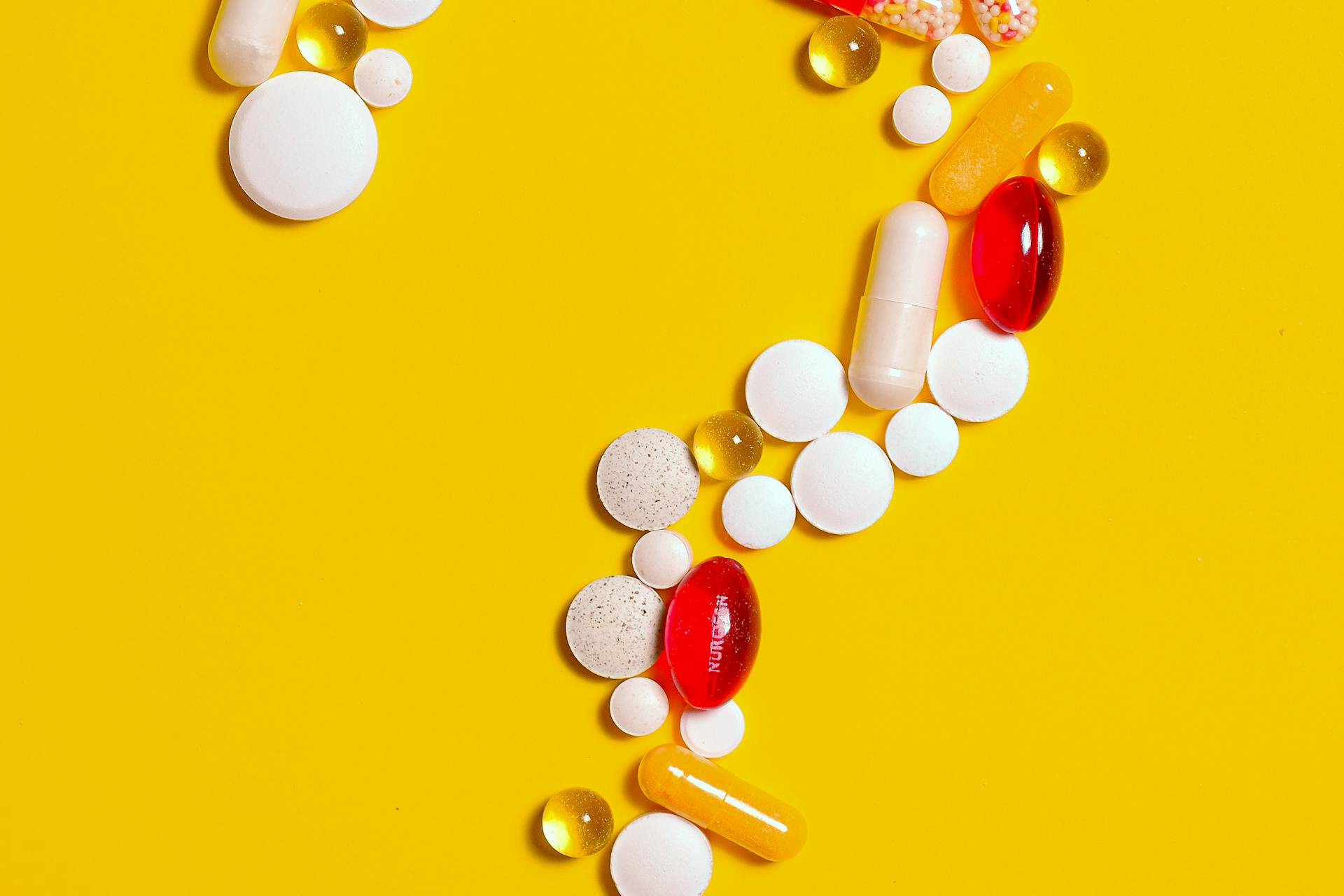
Softgel vs Tablet vs Hard Capsule: Which Dosage Form Is Best?
Why Dosage Form Matters
Choosing the right dosage form is one of the most consequential decisions a brand owner or formulator makes. The dosage form determines how quickly the active ingredient is absorbed, how stable it remains over shelf life, how willingly a patient takes the product, and how much it costs to manufacture at scale. This guide compares the three dominant oral solid dosage forms — softgel capsules, compressed tablets, and hard gelatin capsules — across five critical dimensions.
1. Absorption and Bioavailability
Softgels deliver the active ingredient pre-dissolved in an oil or lipid vehicle. For fat-soluble compounds (Vitamin D3, Omega-3 fatty acids, CoQ10, curcumin), this eliminates the dissolution step entirely. The result is faster onset and higher bioavailability — in some studies, up to 2-3 times higher plasma concentrations compared to tablet formulations of the same compound.
Tablets must first disintegrate, then dissolve before absorption begins. Disintegration time depends on compression force, binder selection, and coating. Enteric-coated tablets add further delay by design. For water-soluble actives this is generally acceptable, but for lipophilic actives it can significantly reduce bioavailability.
Hard capsules fall between the two. The shell dissolves relatively quickly (5-15 minutes), but the powder fill still needs to dissolve. For lipophilic actives, this is suboptimal compared to softgels.
2. Stability and Shelf Life
Softgels provide a hermetic barrier against oxygen and moisture, making them ideal for oxidation-sensitive actives like Omega-3 fatty acids and Glutathione. Tablets are inherently more porous unless film-coated, exposing actives to environmental degradation. Hard capsules sit in the middle — they protect against moisture reasonably well but offer less oxygen protection than softgels.
3. Patient Compliance
Softgels are smooth, easy to swallow, and completely mask unpleasant tastes and odours. In consumer preference studies, softgels consistently rank as the most preferred oral dosage form, particularly among elderly patients and children (where age-appropriate). Tablets can be difficult to swallow if large, and many leave an aftertaste. Hard capsules are reasonably easy to swallow but can stick to the oesophagus if taken without sufficient water.
4. Manufacturing Cost
Tablet manufacturing is the lowest-cost option at high volumes due to simple equipment, fast throughput, and inexpensive excipients. Hard capsule filling is moderately priced. Softgel encapsulation requires specialised rotary die equipment (such as the ARBES SGX-806P used at Admetus Lifesciences) and controlled drying tunnels, making the per-unit cost higher — but the bioavailability and compliance benefits frequently justify the premium for nutraceutical brands competing on efficacy claims.
5. Best Applications for Each Form
- Softgels: Fat-soluble vitamins (D3, E, K2), Omega-3 and fish oils, herbal oil extracts, antioxidant lipid complexes, high-potency single-dose actives.
- Tablets: Water-soluble vitamins (B-complex, C), minerals (calcium carbonate, iron), combination multivitamins where cost is the primary driver.
- Hard capsules: Powdered herbal extracts, probiotics (with moisture-barrier technology), actives that are neither strongly lipophilic nor cost-sensitive.
The Bottom Line
There is no single "best" dosage form — only the best form for a given active ingredient, target market, and commercial strategy. For lipophilic nutraceuticals where efficacy and brand differentiation matter, softgels are the clear winner. Admetus Lifesciences manufactures softgel capsules on a contract and private-label basis, supporting brand owners who want to deliver a premium dosage form without investing in their own encapsulation infrastructure.
QUESTIONS
01Which dosage form has the best absorption?
For fat-soluble compounds, softgels provide the best absorption because the active ingredient is pre-dissolved in oil, bypassing the dissolution step. Studies show up to 2-3x higher plasma concentrations for lipophilic compounds in softgel form compared to tablets.
02Why are softgels more expensive than tablets?
Softgel manufacturing requires specialised rotary die encapsulation equipment, controlled drying tunnels, and a more complex production process. The per-unit cost is higher, but the improved bioavailability and patient compliance often justify the premium for nutraceutical brands.
03Can any ingredient be put into a softgel?
Softgels are best suited for oil-soluble or lipophilic active ingredients. Water-soluble compounds can be encapsulated using suspension technology, but the primary advantage of softgels — pre-dissolved active in oil — applies to fat-soluble compounds. Water-soluble actives may be better served by tablets or hard capsules.
NEED A MANUFACTURING PARTNER?
Contract manufacturing, private label, and export-ready softgel production. Quotation within 48 hours.
Request a Quote