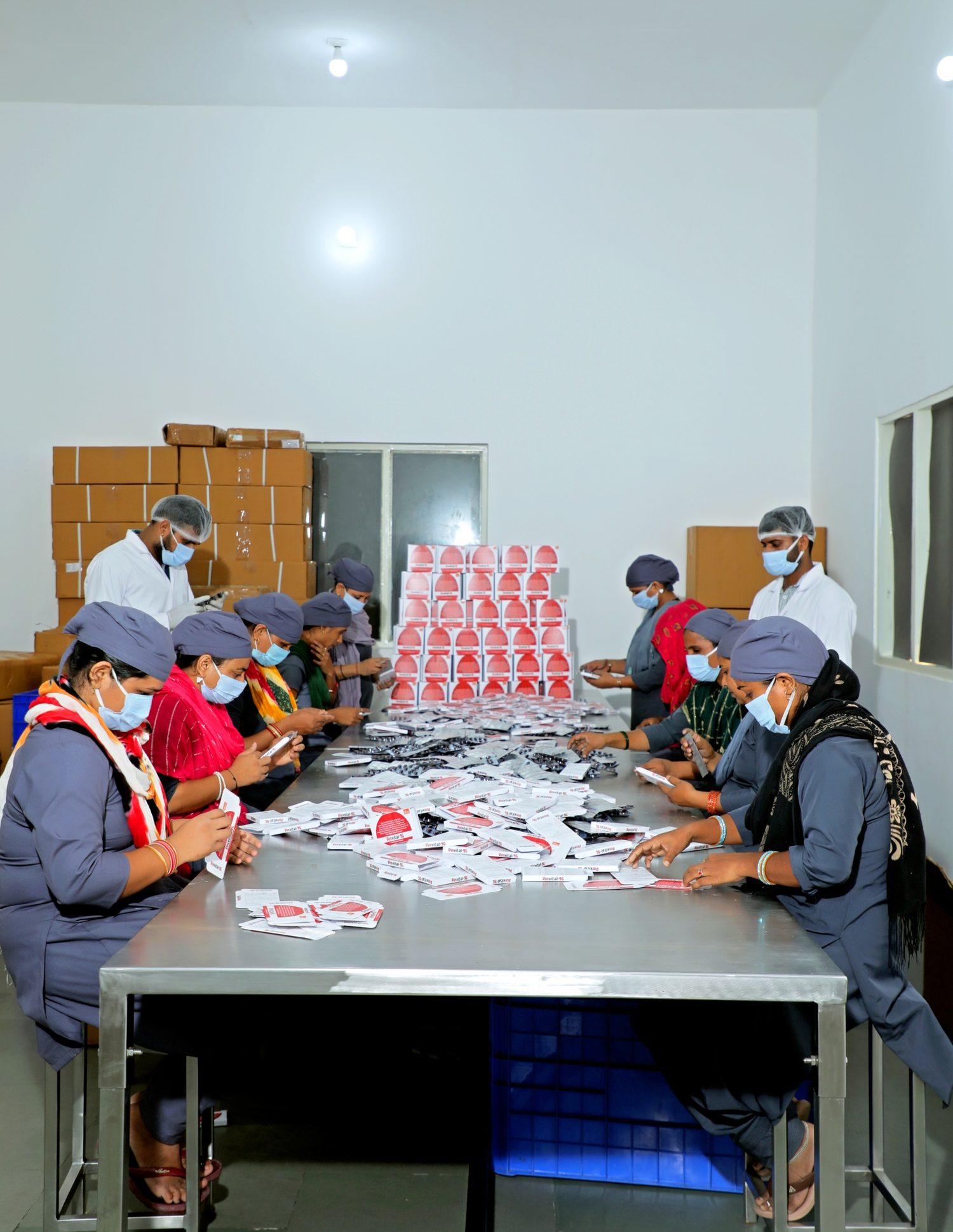
The $3 Trillion Halal Economy and the Demand for Certified Pharmaceuticals
The global Halal economy is valued at over $3 trillion and growing at 6-8% annually. While food and cosmetics have historically driven Halal commerce, Halal pharmaceuticals and nutraceuticals are now the fastest-growing segment within this economy. The reason is straightforward: 1.8 billion Muslims worldwide — nearly 25% of the global population — increasingly demand that their medicines, supplements, and health products comply with Islamic dietary and purity standards.
This demand is not limited to personal preference. In the GCC countries (Saudi Arabia, UAE, Qatar, Kuwait, Oman, Bahrain), Halal certification for pharmaceuticals is either legally mandated or strongly preferred by drug regulatory authorities. In Southeast Asia (Indonesia, Malaysia, Brunei), Halal certification for health products is a regulatory requirement enforced by agencies like BPJPH (Indonesia) and JAKIM (Malaysia). Across Africa — from Somalia and Senegal to Niger and Mali — Halal compliance is a commercial necessity driven by consumer trust and purchasing behaviour.
For international buyers sourcing from India, the challenge is clear: while India has hundreds of softgel capsule manufacturers, only a small fraction hold genuine Halal certification. Many manufacturers claim "Halal-friendly" production without the third-party audits, gelatin source traceability, and cross-contamination controls that actual certification demands. This guide identifies the top 10 Halal softgel capsule manufacturers in India for 2026, evaluated on the strength of their Halal certification, complementary quality certifications, export track record, and manufacturing capability.
What Makes a Softgel "Halal"?
Halal certification for softgel capsules involves more than just using bovine gelatin from a Halal-slaughtered source. A genuinely Halal-certified softgel manufacturing operation must satisfy several requirements:
- Gelatin source traceability: Gelatin must be derived from animals slaughtered according to Islamic Shariah law. Bovine gelatin is most commonly used; porcine gelatin is strictly prohibited (Haram).
- No cross-contamination: The facility must demonstrate that Halal and non-Halal products (if any) are manufactured on separate lines or with validated cleaning protocols that prevent cross-contamination.
- Raw material audit: All ingredients — active and excipient — must be traceable to Halal-certified or Halal-permissible sources. This includes glycerin, colourants, flavouring agents, and fill oils.
- Third-party certification: The facility must be audited and certified by a recognised Halal certification body. Self-declaration is not sufficient.
- Ongoing compliance: Certification must be renewed periodically (typically annually), with surveillance audits to ensure continued compliance.
1. Admetus Lifesciences — India's Most Export-Focused Halal Softgel Manufacturer
Admetus Lifesciences holds a unique position among Indian softgel manufacturers: the company was built from the ground up with Halal export markets as a primary strategic focus. Based in Village Anta, Tehsil Safidon, District Jind, Haryana 126112, Admetus operates a modern softgel manufacturing facility equipped with an ARBES SGX-806P rotary die encapsulation machine and Elmach EPI 2000 automatic blister packing line.
Five Certifications Including Halal
Admetus holds five certifications: FSSAI Central License (covering 13 nutraceutical categories and 115+ formulation profiles), GMP, HACCP, Halal certification, and WHO-GMP. This certification stack is specifically designed for international market access — WHO-GMP satisfies destination-country drug authority requirements, while Halal certification unlocks the 1.8 billion-consumer Muslim-majority market.
Nigella Sativa (Habbatus Sauda) — A Flagship Halal Product
Among Admetus's 80+ softgel formulations, the Nigella Sativa (Kalonji / Habbatus Sauda) oil softgel is a standout product for Halal markets. Nigella Sativa holds deep significance in Islamic traditional medicine — referenced in Hadith literature as "a cure for every disease except death." Demand for Halal-certified Nigella Sativa softgels is particularly strong in the GCC, the Horn of Africa, West Africa, and Southeast Asia. Admetus's Halal certification ensures that every step of production — from sourcing cold-pressed Nigella Sativa oil to gelatin selection to encapsulation — meets Shariah compliance standards.
Export to 25+ Muslim-Majority Countries
Admetus exports to 25+ Muslim-majority countries and maintains dedicated country-specific pages for key markets including Somalia, Yemen, Senegal, Mali, Niger, Chad, Mauritania, Indonesia, Malaysia, Saudi Arabia, Qatar, Oman, Kuwait, Bahrain, Tajikistan, Uzbekistan, Kyrgyzstan, and Bangladesh. Each page addresses local regulatory requirements, popular product categories, and the specific documentation needed for import into that market.
For Halal-certified softgel manufacturing enquiries, explore the Halal manufacturing page, browse the product portfolio, or request a quote. Quotation within 48 hours.
2. RHR Medicare — Multi-Certified Softgel Manufacturer
RHR Medicare is a softgel and pharmaceutical manufacturer based in Haryana that holds multiple certifications including Halal, GMP, and WHO-GMP. The company produces a range of softgel capsules covering vitamins, minerals, and herbal formulations. RHR Medicare's Halal certification enables the company to serve Middle Eastern and African markets, and its location in Haryana provides proximity to Delhi's export logistics infrastructure. The company offers contract manufacturing and third-party manufacturing services, with a growing export portfolio in the nutraceutical segment.
3. Sigma Softgel & Formulation — Export-Oriented Multi-Block Manufacturer
Sigma Softgel & Formulation operates four distinct manufacturing blocks and exports nutraceutical products to more than 30 countries. The company holds ISO, WHO-GMP, and Halal certifications. Sigma's multi-block facility design enables dedicated production lines for Halal products, reducing cross-contamination risk — a critical factor for buyers who require strict Halal compliance. The company's extensive experience with international regulatory documentation and country-specific labelling makes it a strong choice for Halal-market exporters who need multi-country compliance expertise.
4. Aliyan Pharmaceuticals — Halal-Focused Emerging Manufacturer
Aliyan Pharmaceuticals is an emerging manufacturer that has positioned Halal compliance as a core element of its business strategy. Based in Northern India, the company produces softgel capsules, tablets, and herbal formulations with a growing focus on Middle Eastern and African export markets. While smaller in scale than some competitors, Aliyan's dedicated Halal focus and competitive pricing make it attractive for buyers seeking certified products at accessible price points, particularly for smaller initial orders or market-entry volumes.
5. Capsoft Healthcare — Large-Scale Multi-Certified Producer
Capsoft Healthcare operates in Himachal Pradesh with a production capacity of 1 billion capsules per year and holds 10 quality certifications including Halal. With a formulation library exceeding 600 products, Capsoft can serve diverse product requirements within Halal-compliant production protocols. The company's scale is its primary advantage — buyers needing high-volume Halal-certified softgels can benefit from Capsoft's multiple encapsulation lines and established quality infrastructure. However, the company's minimum order quantities may be higher than smaller manufacturers, making it more suited to established distributors than first-time importers.
6. Curivo Healthcare — WHO-cGMP Halal Exporter
Curivo Healthcare holds WHO-cGMP certification and exports to more than 20 countries. The company's Halal certification covers select product lines, enabling it to serve Muslim-majority markets alongside its broader international distribution. With over 100 softgel, tablet, and capsule formulations, Curivo offers competitive pricing and a broad product menu. The company is known for efficient turnaround times and willingness to work with both established distributors and emerging brands entering Halal markets for the first time.
7. Smayan Softgel — Halal-Certified Haryana Manufacturer
Smayan Softgel is a softgel capsule manufacturer based in Panchkula, Haryana, holding WHO-GMP and Halal certifications. The company focuses on nutraceutical softgels and provides contract manufacturing and private-label services. Smayan offers flexible minimum order quantities, making it accessible to both new brands and established distributors. The company's Halal certification and Haryana location — providing access to Delhi's export infrastructure — make it a viable option for buyers seeking certified Halal softgels at moderate volumes.
8. Innovative Healthcare — Softgel and Nutraceutical Manufacturer
Innovative Healthcare is a nutraceutical manufacturer that produces softgel capsules, tablets, and syrups under multiple quality certifications including Halal. The company serves both the domestic Indian market and international export channels. Innovative Healthcare's product range covers vitamins, minerals, omega-3 formulations, and herbal extracts. The company offers contract manufacturing and private-label production, with export documentation capability for markets requiring Halal compliance certificates alongside standard quality documentation.
9. Medella Softgel — Specialty Softgel Producer
Medella Softgel is a specialty softgel capsule manufacturer that holds GMP and Halal certifications. The company focuses on a curated range of high-demand formulations including Vitamin D3, Omega-3, and multivitamin softgels. Medella's targeted product portfolio — rather than an exhaustive formulation library — allows the company to maintain tight quality control and consistency across its production runs. For buyers seeking Halal-certified versions of core supplement SKUs without the complexity of a large manufacturer, Medella offers a focused alternative.
10. Lenus Lifecare — Growing Halal Nutraceutical Exporter
Lenus Lifecare is a growing pharmaceutical and nutraceutical manufacturer with Halal certification as part of its quality credential stack. The company produces softgel capsules, hard gelatin capsules, and tablets, serving both domestic and international markets. Lenus is building its export footprint in Middle Eastern and Southeast Asian markets, with particular focus on vitamin, mineral, and herbal supplement categories. The company's competitive pricing and growing Halal-compliant production capability make it a company to watch in the Indian Halal nutraceutical export space.
What to Look for in a Halal Softgel Manufacturer
Choosing a Halal-certified softgel manufacturer requires due diligence beyond standard quality checks. Here are the key factors to evaluate:
- Verify the Halal certificate: Ask for the certificate and verify it with the issuing Halal certification body. Check the scope — does it cover the specific product categories you need?
- Gelatin source documentation: Request documentation showing the gelatin supplier's Halal certification and slaughter compliance. Traceability from gelatin source to finished capsule is essential.
- Cross-contamination controls: How does the manufacturer prevent contact between Halal and non-Halal products? Dedicated lines are ideal; validated cleaning protocols are the minimum.
- Complementary certifications: Halal alone is not sufficient for most export markets. WHO-GMP is increasingly required by destination-country drug authorities. FSSAI Central License, HACCP, and GMP should also be in place.
- Export documentation capability: Can the manufacturer prepare Halal certificates, COAs, Free Sale Certificates, and country-specific documentation as part of every shipment? Export inexperience can cause costly delays.
- Market-specific expertise: Does the manufacturer understand the specific Halal requirements of your target market? GCC standards differ from Indonesian BPJPH requirements, which differ from African market expectations.
Frequently Asked Questions
Is Halal certification mandatory for softgel capsules?
It depends on the destination market. In GCC countries, Indonesia, Malaysia, and Brunei, Halal certification is either legally required or strongly preferred by regulatory authorities. In Muslim-majority countries across Africa and Central Asia, Halal certification is a commercial necessity — products without it face significant market resistance. In non-Muslim-majority countries, Halal certification is optional but can expand your addressable market.
What is the difference between Halal and Halal-friendly?
"Halal-friendly" is a marketing term with no standardised definition — it typically means the manufacturer avoids porcine ingredients but has not undergone third-party Halal certification. Genuine Halal certification requires auditing by a recognised certification body covering raw material sourcing, manufacturing processes, cross-contamination controls, and ongoing surveillance. Always insist on formal certification, not self-declaration.
Can vegetarian softgels be considered Halal?
Vegetarian softgels (using plant-based shells like HPMC or modified starch) avoid the gelatin-source issue entirely. However, they still need to be manufactured in a facility with Halal-certified processes — other ingredients (glycerin, oils, excipients) must also be Halal-compliant. Vegetarian softgels with Halal certification offer the broadest market coverage, serving both vegetarian and Halal-conscious consumers.
How do I verify an Indian manufacturer's Halal certification?
Request a copy of the Halal certificate, note the issuing body's name and certificate number, and verify directly with the certification body (most have online verification portals). Check the certificate's validity dates and scope — ensure it covers the specific product categories and formulations you plan to order. If the manufacturer is reluctant to share this information, consider it a red flag.
Partner with India's Leading Halal Softgel Manufacturer
If you are sourcing Halal-certified softgel capsules for the Middle East, Africa, Southeast Asia, or Central Asia, Admetus Lifesciences offers Halal-certified contract manufacturing and private-label production backed by five certifications. Explore our product portfolio, learn about our manufacturing facility, or request a quote today. Quotation within 48 hours.
QUESTIONS
01Is Halal certification mandatory for softgel capsules?
It depends on the destination market. In GCC countries, Indonesia, Malaysia, and Brunei, Halal certification is either legally required or strongly preferred by regulatory authorities. In Muslim-majority countries across Africa and Central Asia, Halal certification is a commercial necessity. In non-Muslim-majority countries, Halal certification is optional but can expand your addressable market.
02What is the difference between Halal and Halal-friendly?
"Halal-friendly" is a marketing term with no standardised definition — it typically means the manufacturer avoids porcine ingredients but has not undergone third-party Halal certification. Genuine Halal certification requires auditing by a recognised certification body covering raw material sourcing, manufacturing processes, cross-contamination controls, and ongoing surveillance. Always insist on formal certification, not self-declaration.
03Can vegetarian softgels be considered Halal?
Vegetarian softgels (using plant-based shells like HPMC or modified starch) avoid the gelatin-source issue entirely. However, they still need to be manufactured in a facility with Halal-certified processes — other ingredients (glycerin, oils, excipients) must also be Halal-compliant. Vegetarian softgels with Halal certification offer the broadest market coverage.
04How do I verify an Indian manufacturer's Halal certification?
Request a copy of the Halal certificate, note the issuing body's name and certificate number, and verify directly with the certification body (most have online verification portals). Check the certificate's validity dates and scope — ensure it covers the specific product categories and formulations you plan to order.
NEED A MANUFACTURING PARTNER?
Contract manufacturing, private label, and export-ready softgel production. Quotation within 48 hours.
Request a Quote