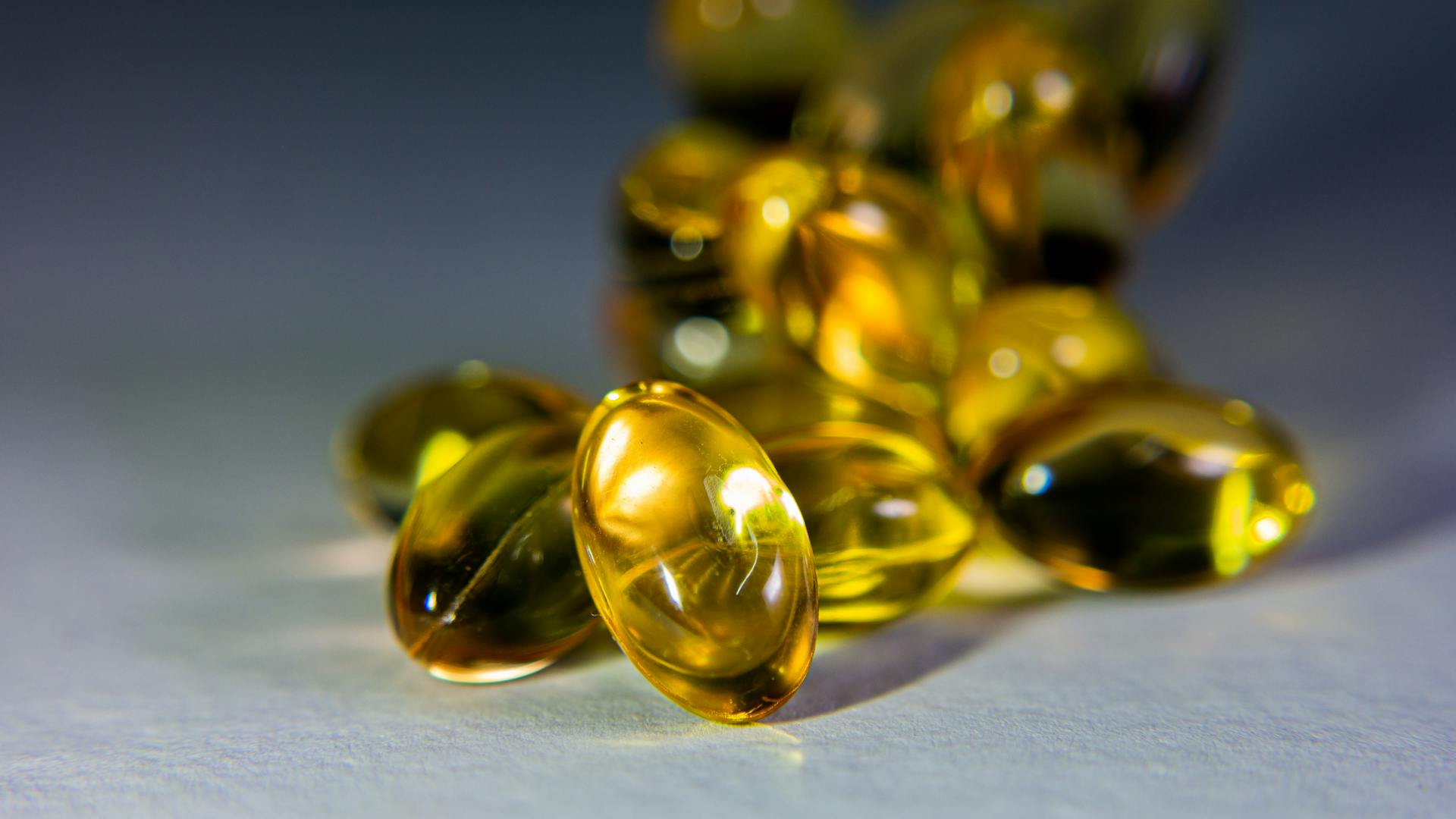
What Exactly Is a Softgel Capsule?
A softgel capsule — also called a soft gelatin capsule — is a one-piece, hermetically sealed dosage form consisting of a gelatin-based shell surrounding a liquid or semi-solid fill. Unlike two-piece hard capsules, softgels are manufactured in a continuous process that forms the shell and fills the product simultaneously. The result is a smooth, oval or oblong capsule that is easy to swallow and protects its contents from oxygen, light, and moisture.
How Softgels Differ from Tablets and Hard Capsules
Tablets are compressed powders that must disintegrate in the stomach before the active ingredient dissolves. Hard capsules are two-piece shells filled with powder or pellets. Softgels, by contrast, contain the active ingredient already dissolved or suspended in an oil-based fill. This fundamental difference gives softgels a measurable edge in bioavailability — the proportion of the active compound that reaches systemic circulation after oral administration.
Because the active ingredient is already in solution, the body does not need to break down a compressed matrix or dissolve a powder. Studies consistently show that softgel formulations of lipophilic compounds such as Coenzyme Q10, curcumin, and fat-soluble vitamins achieve higher plasma concentrations compared to equivalent tablet doses.
Key Benefits of Softgel Capsules
- Superior bioavailability: Active ingredients pre-dissolved in oil bypass the dissolution step, leading to faster and more complete absorption.
- Dose uniformity: Liquid fill technology ensures precise dosing with minimal variation between capsules — critical for high-potency actives like Cholecalciferol 60,000 IU.
- Tamper evidence: The one-piece sealed construction makes tampering visually obvious, reinforcing consumer confidence.
- Masking unpleasant taste and odour: Omega-3 fish oils, herbal extracts, and other strong-tasting compounds are fully enclosed, improving patient compliance.
- Oxygen and moisture barrier: The gelatin shell protects sensitive actives from degradation, extending shelf life.
Common Applications
Softgels dominate several nutraceutical and pharmaceutical categories. Vitamins D3 and E are almost universally delivered as softgels because of their fat-soluble nature. Omega-3 fatty acids — whether from fish oil, krill oil, or algal sources — rely on the hermetic seal to prevent oxidation. Herbal extracts such as Nigella sativa (kalonji) oil, evening primrose oil, and flaxseed oil are encapsulated in softgels to preserve volatile compounds. Antioxidant complexes combining Glutathione, Alpha Lipoic Acid, and Grape Seed Extract also benefit from the oxygen-barrier properties of the gelatin shell.
Manufacturing Overview
Modern softgel production uses rotary die encapsulation technology. At Admetus Lifesciences, encapsulation is performed on an ARBES SGX-806P line. Molten gelatin is cast into thin ribbons, which pass through a rotary die that simultaneously forms the capsule shape and injects the fill material. The wet capsules then enter a multi-stage drying tunnel where controlled temperature and humidity reduce the moisture content to specification. After drying, capsules are visually inspected, tested for dissolution and weight uniformity, and packed on an Elmach EPI 2000 blister line.
The entire process — from raw material receipt to finished-goods release — operates under FSSAI, GMP, HACCP, and WHO-GMP protocols, ensuring every batch meets both Indian regulatory requirements and international export standards.
QUESTIONS
01What are softgel capsules made of?
Softgel capsules consist of a one-piece gelatin shell made from pharmaceutical-grade gelatin, glycerin (plasticiser), and purified water. The shell surrounds a liquid or semi-solid fill containing the active ingredient dissolved or suspended in an oil base.
02Are softgel capsules better than tablets?
For fat-soluble compounds like Vitamin D3, Omega-3, and CoQ10, softgels offer superior bioavailability because the active ingredient is already in solution. They are also easier to swallow and mask unpleasant tastes. However, tablets remain suitable for water-soluble actives where cost is the priority.
03Are softgel capsules vegetarian?
Traditional softgels use bovine or porcine gelatin. However, plant-based alternatives using modified starch, carrageenan, or HPMC (hydroxypropyl methylcellulose) are available for vegetarian and vegan markets. Consult your manufacturer about vegetarian shell options.
NEED A MANUFACTURING PARTNER?
Contract manufacturing, private label, and export-ready softgel production. Quotation within 48 hours.
Request a Quote