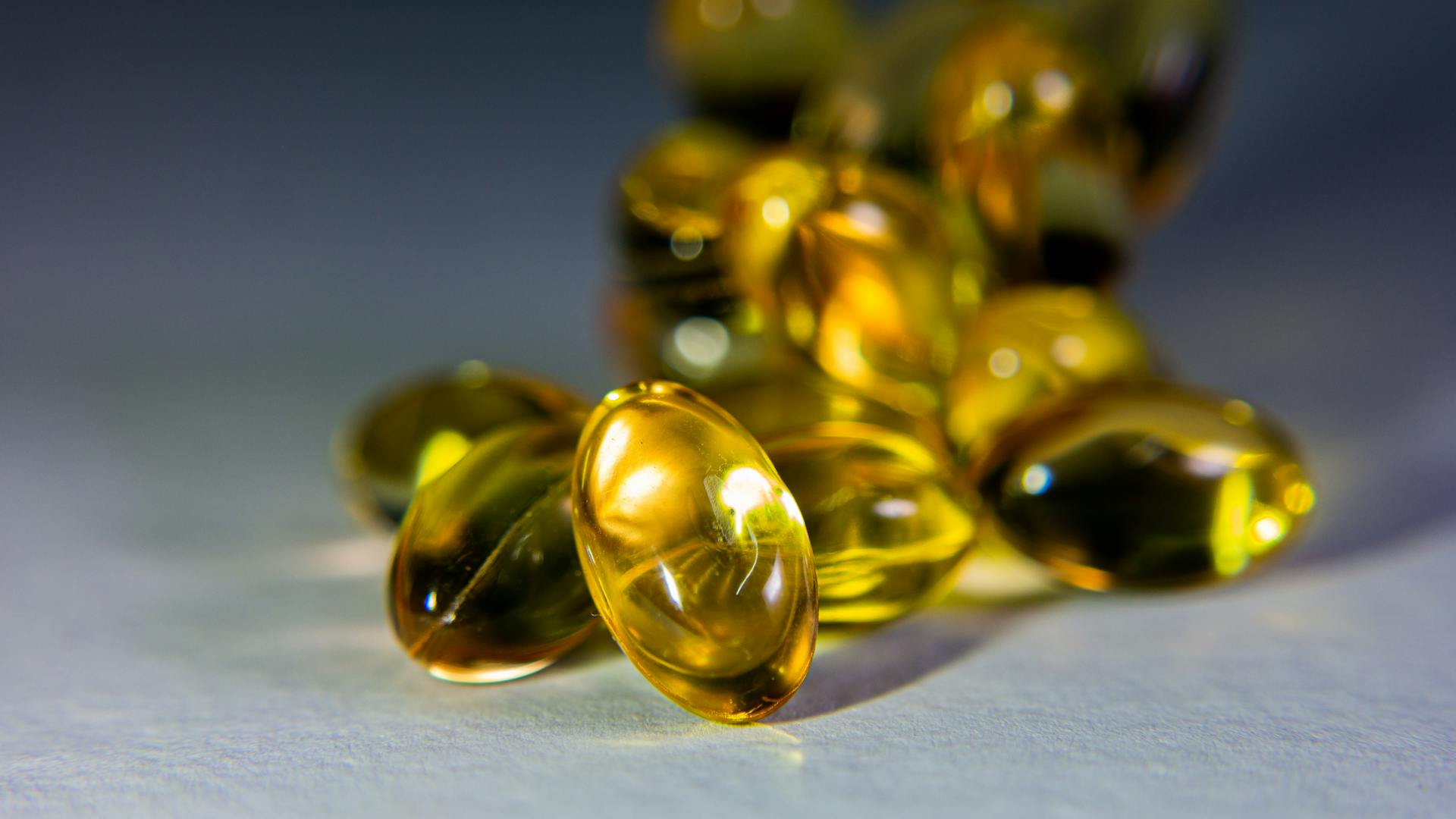
SOFTGEL CAPSULE
MANUFACTURER INDIA
FOR EGYPT
Halal and WHO-GMP certified softgel capsules from Haryana, India — affordable nutraceutical generics for Egypt's 105 million-strong healthcare market. Full export documentation, direct shipping to Port Said and Alexandria.
Egypt is the largest pharmaceutical market in North Africa and one of the most significant in the entire Arab world. With a population exceeding 105 million — the largest in the Middle East and North Africa region — and a healthcare system serving both dense urban centres and an extensive rural population, Egypt imports substantial volumes of pharmaceutical and nutraceutical products. India is one of Egypt's leading pharmaceutical supplier countries, with established trade channels and regulatory recognition.
The Egyptian pharmaceutical market is valued at over $5 billion annually. While Egypt has a significant domestic pharmaceutical manufacturing sector, it relies heavily on imported APIs (active pharmaceutical ingredients) and finished formulations — particularly in the nutraceutical and supplements category where Indian manufacturers offer price-competitive, quality-certified products. The Egyptian Drug Authority (EDA) regulates pharmaceutical and nutraceutical imports with a structured registration framework that recognizes WHO-GMP certification.
Admetus Lifesciences, based in Village Anta, Safidon, Jind, Haryana 126112, manufactures Halal-certified, WHO-GMP compliant softgel capsules specifically suited for the Egyptian market — combining the pricing economics of Indian manufacturing with the quality certifications and documentation that Egyptian importers and the EDA require.
WHY EXPORT SOFTGELS TO EGYPT
Largest Arab country by population — 105 million consumers
Egypt is the most populous Arab nation and the third-largest country in Africa. With over 105 million people and a young, growing population, the demand for affordable pharmaceutical and nutraceutical products is massive and sustained. The Egyptian healthcare system serves both urban centres like Cairo and Alexandria and an extensive rural population that relies heavily on pharmacy retail channels for supplementation.
India is a leading pharma supplier to Egypt
Indian pharmaceutical manufacturers have established strong trade relationships with Egyptian importers and distributors. India supplies a significant share of Egypt's generic pharmaceutical imports, and Indian WHO-GMP certifications are recognized by Egyptian regulatory authorities. Admetus Lifesciences fits directly into this established India-Egypt pharmaceutical supply chain.
EDA regulatory framework accepts WHO-GMP certification
The Egyptian Drug Authority (EDA) — Egypt's centralized pharmaceutical regulatory body — maintains a structured but navigable registration process for imported nutraceuticals. WHO-GMP certification from an Indian manufacturer is recognized and accepted as a quality benchmark, and the registration pathway for nutraceutical supplements is less complex than for prescription pharmaceuticals.
Strong demand for affordable generics and nutraceuticals
Egypt's per-capita healthcare spending is constrained, creating sustained demand for affordable generics and nutraceutical supplements. WHO-GMP certified softgels manufactured in Haryana are 40-60% less expensive than European-manufactured equivalents — aligning directly with the pricing dynamics of the Egyptian pharmaceutical market without compromising on quality documentation.
HALAL CERTIFIED FOR THE EGYPTIAN MARKET
Egypt is a Muslim-majority country (approximately 90% Muslim) where Halal certification is not merely a regulatory checkbox — it is a fundamental requirement for market acceptance. Products without visible Halal certification face resistance from pharmacists, distributors, and end consumers.
Admetus Lifesciences holds Halal certification covering the entire manufacturing chain — from raw material sourcing (Halal-certified gelatin suppliers with full traceability) through the production process on our ARBES SGX-806P encapsulation line to finished product packaging. This is not a third-party attestation applied at the end; it is integrated into our manufacturing protocols.
For the Egyptian market specifically, Halal certification serves three critical functions: (1) it satisfies the EDA's import requirements where Halal documentation is expected for ingestible products, (2) it enables placement in Egypt's extensive pharmacy retail channels — from major chains in Cairo and Alexandria to independent pharmacies across Upper Egypt — where Halal labeling is expected by consumers, and (3) it differentiates our products from non-certified competitors who may offer lower pricing but cannot provide the Halal documentation Egyptian distributors need.
Every export shipment to Egypt includes a product-specific Halal certificate alongside the Certificate of Analysis, Free Sale Certificate, and commercial documentation. Our Halal certification is recognized across MENA markets, meaning Egyptian distributors who also trade in Saudi Arabia, the UAE, or other Arab countries can use the same certification documentation.
SOFTGEL FORMULATIONS FOR EGYPT
Cholecalciferol (Vitamin D3) 60,000 IU
Vitamin D deficiency is widespread across Egypt despite abundant sunlight — driven by indoor lifestyles, clothing customs, and dietary insufficiency. Cholecalciferol 60,000 IU softgels are prescribed as weekly therapeutic supplementation by Egyptian clinicians for deficiency correction across all age groups and are a staple in Egyptian pharmacy chains.
Omega-3 Fatty Acids + Vitamin E
Cardiovascular disease is the leading cause of death in Egypt. Omega-3 softgels with Vitamin E support cardiac health, triglyceride management, and anti-inflammatory response — a high-demand category across Egyptian pharmacy retail, hospital formularies, and specialist cardiology clinics.
Multivitamin Softgel Capsules
Broad-spectrum nutritional supplementation addressing the micronutrient gaps common in the Egyptian population. Our multivitamin softgels are formulated for general adult health and serve a large consumer base across Egypt's pharmacy distribution networks — from major urban chains to independent rural pharmacies.
Calcitriol + Calcium Citrate + Vitamin K2-7
Bone health is a significant therapeutic category in Egypt — osteoporosis prevalence is high, particularly among post-menopausal women and the elderly population. Calcitriol + Calcium Citrate + K2-7 formulations support bone mineralization, calcium absorption, and fracture prevention, serving both preventive and therapeutic prescribing patterns.
Nigella Sativa (Habbatus Sauda / Black Seed Oil)
Known as Habbatus Sauda in Arabic tradition, Nigella Sativa (black seed / Habba Baraka in Egyptian dialect) carries deep cultural and religious significance across Egypt. The Prophet Muhammad (PBUH) referenced it as a remedy for all ailments except death — making it one of the most culturally resonant nutraceutical products in the Egyptian market. Our softgel encapsulation delivers standardized Nigella Sativa oil with consistent potency and shelf stability.
Beyond these core formulations, Admetus Lifesciences develops custom softgel blends for Egyptian distributors targeting specific therapeutic categories. Custom formulation requests are evaluated within 48 hours. Contact us at [email protected] with your formulation requirements.
EDA REGULATORY FRAMEWORK
The Egyptian Drug Authority (EDA) is Egypt's centralized regulatory body governing the registration, import, and distribution of pharmaceutical and nutraceutical products. Established as a successor to earlier regulatory structures, the EDA maintains a structured registration process that is moderate in complexity — more rigorous than post-conflict markets like Iraq but less restrictive than GCC authorities like Saudi SFDA.
For Indian manufacturers with WHO-GMP certification, Egypt represents an accessible market with clear regulatory pathways. The EDA recognizes WHO-GMP as a quality benchmark, and the nutraceutical supplement registration track is less intensive than the full pharmaceutical registration process — making it practical for softgel manufacturers to register product lines within a reasonable timeframe.
Key documentation accepted by the EDA includes: WHO-GMP certificate, GMP certificate, Halal certificate, Free Sale Certificate (FSSAI), Certificate of Analysis per batch, stability data, product specifications, and Certificate of Origin. The Egyptian importer typically handles the in-country registration process with the EDA, while Admetus Lifesciences provides all manufacturer-side documentation.
India's established position as a pharmaceutical supplier to Egypt means that Indian manufacturing certifications are well-understood by EDA reviewers. This familiarity reduces the friction in the registration process compared to manufacturers from countries without an established pharma export relationship with Egypt. Admetus Lifesciences provides complete manufacturer-side dossiers formatted for EDA submission requirements.
INDIA TO EGYPT SHIPPING ROUTES
Direct shipping via the Suez Canal route connects our Haryana facility to Egyptian importers — Port Said and Alexandria are among the most accessible destinations from India's west coast. Transit time: 10-14 days.
- 01
Production & QC at Jind facility
Softgel capsules manufactured on the ARBES SGX-806P line, dried under controlled conditions, and subjected to multi-point quality testing — visual inspection, weight uniformity, dissolution, microbial limits. Full Certificate of Analysis (COA) generated per batch.
- 02
Export packaging & documentation
Products packed in export-grade secondary packaging with desiccants and tamper-evident sealing. Export documentation prepared: COA, Halal certificate, Free Sale Certificate (FSSAI), commercial invoice, packing list, and bill of lading.
- 03
Dispatch from JNPT port
Sea freight from JNPT (Nhava Sheva, Mumbai) — India's largest west-coast container port. Regular shipping services operate on the India-Suez-Mediterranean route with direct calls at Egyptian ports.
- 04
Arrival at Port Said or Alexandria
Direct sea route via the Suez Canal to Port Said on the Mediterranean coast, or to Alexandria — Egypt's primary commercial import port. Both ports have established pharmaceutical customs clearance infrastructure and bonded warehousing facilities.
- 05
Transit time: 10-14 days
Direct JNPT to Port Said / Alexandria transit is approximately 10-14 days via the Suez Canal route. Air freight via Delhi or Mumbai is available for urgent or sample shipments with 3-4 day delivery to Cairo International Airport.
EXPORT DOCUMENTATION FOR EGYPT
Certificate of Analysis (COA)
Batch-specific laboratory analysis confirming identity, potency, purity, dissolution, and microbial limits for every shipment.
Halal Certificate
Product-level Halal certification confirming compliance with Islamic dietary and manufacturing standards — essential for Egyptian market acceptance and EDA regulatory compliance.
Free Sale Certificate (FSSAI)
Issued by FSSAI (Food Safety and Standards Authority of India), confirming that the products are legally manufactured and freely sold in India.
Commercial Invoice & Packing List
Detailed commercial invoice with HS codes, unit pricing, total value, and comprehensive packing list for customs clearance at Port Said, Alexandria, or the buyer's designated Egyptian port.
GMP / WHO-GMP Certificate
Manufacturing facility certification confirming compliance with Good Manufacturing Practice and World Health Organization GMP standards — recognized by the Egyptian Drug Authority.
Certificate of Origin
Issued by the Indian Chamber of Commerce, confirming the country of manufacture for Egyptian customs and import duty assessment under applicable India-Egypt trade agreements.
EGYPT EXPORT Q&A
01Is Halal certification available for all softgel products exported to Egypt?
Yes. Our Jind facility holds Halal certification covering the entire manufacturing process — raw materials, gelatin sourcing, production line, and finished products. Halal certificates are included with every export shipment to Egypt and other Muslim-majority markets. The gelatin used in our softgel shells is sourced from Halal-certified suppliers with full traceability documentation.
02What is the EDA regulatory process for importing nutraceutical softgels into Egypt?
The Egyptian Drug Authority (EDA) oversees pharmaceutical and nutraceutical product registration. For nutraceutical supplements, the registration pathway involves submitting manufacturer certifications (WHO-GMP, GMP, Halal), product specifications, stability data, and Certificate of Analysis. The process is structured but navigable for WHO-GMP certified Indian manufacturers. Admetus Lifesciences provides all manufacturer-side documentation required for EDA submission — the Egyptian importer or their regulatory agent handles the in-country registration process.
03What is the minimum order quantity for export to Egypt?
MOQs are flexible based on the formulation, packaging format, and order configuration. We support pilot shipments for new Egyptian distributors establishing the product line, as well as full-container loads for established importers. Specific MOQ for your order is confirmed within 48 hours of inquiry at [email protected].
04How are shipments routed from India to Egypt?
Primary route: Sea freight from JNPT (Mumbai) via the Suez Canal to Port Said or Alexandria — approximately 10-14 days transit. Egypt's position at the Suez Canal makes it one of the most direct shipping destinations from India's west coast. Air freight via Delhi or Mumbai to Cairo International Airport is available for samples and urgent shipments (3-4 days).
05Can you supply softgels under our brand name for the Egyptian market?
Yes. We operate as a private-label and contract manufacturer — your brand name, packaging design, and labeling specifications are applied to the finished product. We support Arabic labeling for the Egyptian market. Brand artwork approval and proof signoff happens before production begins. See our private label softgel manufacturer page for the full process.
06What payment terms do you offer for Egyptian buyers?
Standard terms are 30% advance with the order and 70% against shipping documents (bill of lading). We work via T/T (telegraphic transfer) and Letter of Credit (LC) for established orders. For first-time buyers, we recommend starting with a pilot order to validate the product and logistics chain before scaling to full-container volumes. Specific terms are confirmed in the proforma invoice.
EXPORT SOFTGELS TO EGYPT
For Egyptian importers and distributors seeking a WHO-GMP and Halal certified softgel capsule manufacturer in India — share your requirements and our export team will respond within 48 hours.