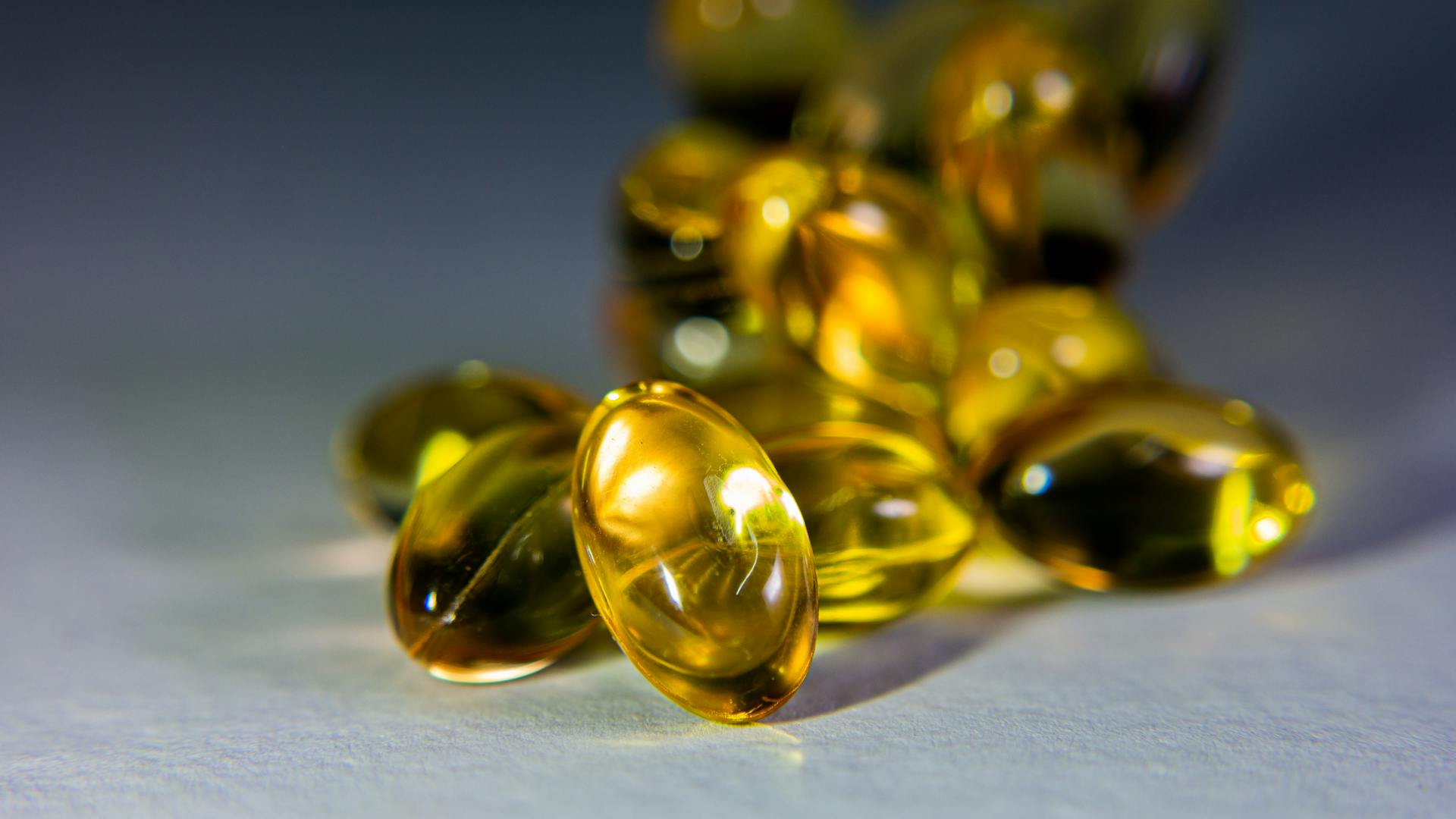
SOFTGEL CAPSULE
MANUFACTURER INDIA
FOR KENYA
WHO-GMP certified softgel capsules from Haryana, India — serving Kenyan importers with PPB-ready documentation, East Africa gateway distribution, competitive pricing, and flexible order volumes.
KENYA'S PHARMACEUTICAL IMPORT LANDSCAPE
Kenya is the pharmaceutical gateway to East Africa — and India is its dominant supplier. Kenyan pharmaceutical imports from India total approximately $353 million annually, with extraordinary year-over-year growth of 48% as of April 2025. This growth trajectory reflects Kenya's expanding healthcare infrastructure, growing middle class, and deepening trade relationship with Indian pharmaceutical manufacturers.
Kenya's strategic importance extends far beyond its own 54-million population. Mombasa — Kenya's primary port — is the import gateway for the entire East African region. Pharmaceutical cargo entering through Mombasa is distributed via the Northern Corridor to Uganda, Rwanda, South Sudan, and Burundi, and via the Central Corridor to Tanzania. A single Kenyan import partnership effectively opens access to 5+ markets with a combined population exceeding 250 million.
The Pharmacy and Poisons Board (PPB) regulates all pharmaceutical and nutraceutical imports into Kenya. PPB registration is a structured process that requires a local licensed wholesale agent, CTD-format dossier submission, WHO-GMP certificate verification, Certificate of Pharmaceutical Product (WHO format) from CDSCO India, and pre-registration laboratory analysis at the National Quality Control Laboratory (NQCL). Indian manufacturers with WHO-GMP certification have an established pathway through this regulatory framework.
Kenya's disease burden is shifting. While infectious diseases (malaria, HIV/AIDS, tuberculosis) remain significant, non-communicable diseases — cardiovascular disease, diabetes, cancer — are rapidly growing, driven by urbanization, dietary changes, and an aging population. This epidemiological transition is driving demand for nutraceutical supplements: Omega-3 for cardiovascular health, multivitamins for micronutrient deficiency, Vitamin D3 for immune support, and bone health formulations for the elderly. Kenya's Universal Health Coverage agenda is further expanding access to essential health products across the country.
PPB KENYA REGISTRATION PROCESS
The Pharmacy and Poisons Board (PPB) regulates all pharmaceutical and nutraceutical imports into Kenya. The registration process requires a local licensed agent, CTD dossier, GMP verification, and laboratory analysis.
- 01
Appoint a local licensed wholesale agent
PPB Kenya requires all imported pharmaceutical and nutraceutical products to be represented by a locally licensed wholesale dealer or pharmaceutical importer. The local agent must hold a valid PPB wholesale license and is responsible for the product registration application, PPB correspondence, and post-market surveillance obligations. This local partnership is mandatory before any product registration can proceed.
- 02
Manufacturer GMP inspection by PPB
PPB may conduct a GMP inspection of the foreign manufacturing facility as part of the product registration process. PPB inspectors may visit the manufacturing site to verify WHO-GMP compliance, production processes, quality control systems, and documentation practices. Our WHO-GMP certification significantly reduces the scope of inspection, but we welcome and facilitate PPB inspection visits to our Jind, Haryana facility when required.
- 03
Submit CTD-format dossier
PPB Kenya follows the CTD (Common Technical Document) format for product registration submissions. The dossier includes five modules covering administrative information, quality (chemistry, manufacturing, controls), safety data, efficacy information, and product labeling. Admetus prepares the complete Module 3 (Quality) documentation including manufacturing process validation, analytical methods, stability data under ICH Zone IVa conditions, and Certificate of Analysis templates.
- 04
Provide Certificate of Pharmaceutical Product (WHO format)
PPB requires a Certificate of Pharmaceutical Product (CPP) in WHO format issued by the Central Drugs Standard Control Organisation (CDSCO) of India. The CPP confirms that the product is registered, manufactured under GMP conditions, and freely sold in the country of origin. Admetus coordinates the CPP application with CDSCO and provides the authenticated certificate as part of the registration package.
- 05
Pre-registration lab analysis
PPB requires laboratory analysis of product samples at the National Quality Control Laboratory (NQCL) in Nairobi or at a PPB-approved laboratory. Testing covers identity, assay, dissolution, microbial limits, heavy metals, and compliance with pharmacopoeial specifications. We provide the required sample quantities with full Certificate of Analysis documentation to facilitate the laboratory evaluation process.
- 06
Import permit via KESWS
Once product registration is approved, each import shipment requires an import permit obtained through the Kenya Electronic Single Window System (KESWS). The KESWS integrates customs, port authority, and regulatory clearance into a single digital platform. The Kenyan importer's clearing agent processes the import permit application with the documentation package we provide — commercial invoice, packing list, COA, and PPB registration evidence.
KENYA — GATEWAY TO EAST AFRICA
Kenya's Mombasa port is the largest and most important port in East Africa. Pharmaceutical imports entering through Mombasa are distributed across the region via two major trade corridors — the Northern Corridor serving Uganda, Rwanda, South Sudan, and Burundi, and the Central Corridor reaching into Tanzania. This makes Kenya the single most strategic entry point for any Indian pharmaceutical manufacturer targeting the East African market.
The East African Community (EAC) — comprising Kenya, Uganda, Tanzania, Rwanda, Burundi, South Sudan, and the Democratic Republic of Congo — has a combined population exceeding 300 million. The EAC Common External Tariff provides zero or reduced duty on essential medicines, making Kenya's Mombasa an efficient and cost-effective entry point. Kenyan pharmaceutical distributors have established cross-border supply chains and regulatory relationships across the region.
For Admetus, this means that a single Kenyan import partnership is not just a Kenyan opportunity — it is an East African opportunity. We support importers who are positioning softgel capsule distribution across the broader East African region, with documentation and pricing structured for multi-market supply.
WHY KENYAN IMPORTERS CHOOSE US
WHO-GMP certification accepted by PPB Kenya
The Pharmacy and Poisons Board (PPB) of Kenya recognizes WHO-GMP certification as evidence of manufacturing quality compliance. Admetus holds WHO-GMP certification for its Jind, Haryana facility, which streamlines the PPB product registration process. WHO-GMP status is a baseline requirement for pharmaceutical imports into Kenya and reduces the scope of additional manufacturing site inspections by PPB inspectors.
East Africa gateway — one partnership, five markets
Kenya's Mombasa port is the primary import gateway for East Africa. A single Kenyan import partnership opens distribution access to Uganda, Rwanda, South Sudan, Burundi, and Tanzania through the Northern Corridor and Central Corridor trade routes. Kenyan pharmaceutical distributors routinely serve cross-border markets, making Kenya the strategic entry point for any Indian manufacturer targeting the East African region.
Five international certifications including Halal
Beyond WHO-GMP, our facility holds FSSAI, GMP, HACCP, and Halal certifications. Kenya's coastal and northeastern populations are predominantly Muslim — Halal certification is important for distribution in these regions and for cross-border trade to Somalia and other Muslim-majority East African markets. This multi-certification profile covers PPB requirements and importer needs across different market segments.
Competitive pricing for African markets
Kenya is a price-sensitive pharmaceutical market where landed cost determines commercial viability. Our Haryana facility operates with lower overhead than manufacturers in Mumbai, Hyderabad, or Ahmedabad. Combined with Kenya's zero or reduced import duty on essential medicines under the East African Community (EAC) Common External Tariff, our pricing structure enables Kenyan distributors to maintain competitive retail margins across both pharmacy and institutional channels.
Flexible MOQ for market entry
We understand that Kenyan importers — particularly those registering new products with PPB — need flexibility in initial order sizes. We support pilot-volume orders for market testing and PPB sample submission, with the ability to scale to full-container loads once product registration and market demand are established. This is particularly valuable for importers entering new therapeutic categories or expanding into cross-border East African distribution.
SOFTGEL FORMULATIONS FOR THE KENYAN MARKET
Cholecalciferol (Vitamin D3) 60,000 IU
Vitamin D deficiency is documented across East African populations, particularly in urban areas and among women who cover skin for religious or cultural reasons. Kenya's growing physician community is increasingly prescribing Vitamin D3 for deficiency treatment, immune support, and bone health. The high-dose 60,000 IU softgel format is preferred for therapeutic loading doses, with weekly dosing protocols becoming standard in Kenyan clinical practice.
Omega-3 Fatty Acids + Vitamin E
Non-communicable diseases — particularly cardiovascular disease, hypertension, and diabetes — are an escalating health burden in Kenya. The WHO estimates that NCDs account for 27% of all deaths in Kenya, with cardiovascular disease as the leading NCD category. Omega-3 softgel capsules are increasingly recommended by Kenyan healthcare providers and are available through pharmacy retail in Nairobi, Mombasa, Kisumu, and other major urban centers.
Multivitamin Softgel Capsules
Micronutrient deficiency remains a critical health challenge in Kenya — iron, zinc, Vitamin A, and folate deficiencies are widespread, particularly among women of reproductive age and children under five. Multivitamin softgel capsules serve both the institutional market (government health programs, NGO nutrition interventions) and the growing pharmacy retail channel. Kenya's Universal Health Coverage agenda is driving increased access to essential nutritional supplements.
Antioxidant Formulations (Lycopene + Grape Seed Extract)
Preventive health and wellness awareness is growing in Kenya's urban middle class, driven by increasing NCD burden and health education campaigns. Antioxidant formulations targeting cardiovascular protection, immune support, and prostate health (Lycopene) are gaining traction in Nairobi's pharmacy retail market and among health-conscious Kenyan consumers who are shifting toward preventive supplementation.
Calcitriol + Calcium Citrate + Vitamin K2-7
Bone health formulations serve Kenya's aging population and women's health segment. Osteoporosis and calcium deficiency are under-diagnosed but increasingly recognized in Kenyan clinical practice. The Calcitriol-Calcium-K2 combination is prescribed by Kenyan orthopedic specialists and is particularly relevant for post-menopausal women and elderly patients in Kenya's growing urban healthcare infrastructure.
We manufacture 10+ standard softgel formulations with custom formulation development on request. All products can be supplied under your brand name for the Kenyan and East African market. See our complete product catalog and private label service for full details.
DOCUMENTATION FOR PPB & CUSTOMS
Certificate of Analysis (COA)
Batch-specific quality certificate covering identity testing, assay, dissolution, microbial limits, heavy metals, and physical parameters. Required by PPB Kenya for product registration and by Kenyan importers for each shipment's KRA customs clearance at Mombasa port.
Certificate of Pharmaceutical Product (WHO Format)
Issued by India's CDSCO in WHO format, the CPP confirms that the product is registered, manufactured under GMP conditions, and freely sold in India. PPB Kenya requires a WHO-format CPP as part of the product registration dossier. Admetus coordinates the CPP application with CDSCO.
WHO-GMP Certificate
World Health Organization Good Manufacturing Practice certificate for the manufacturing facility. PPB Kenya requires WHO-GMP as baseline evidence of manufacturing quality — this certificate is a key document in the PPB registration dossier and may reduce the scope of a PPB facility inspection.
CTD-Format Quality Dossier (Module 3)
The Common Technical Document Module 3 (Quality) section includes manufacturing process description, validation data, analytical method details, stability study results under ICH Zone IVa conditions, and product specifications. Admetus prepares this module for the Kenyan importer to include in their PPB registration submission.
Halal Certificate
Halal certification for the manufacturing facility and specific products. Important for distribution in Kenya's coastal and northeastern Muslim-majority regions, and essential for cross-border trade to Somalia, Djibouti, and other Muslim-majority East African markets accessible through Mombasa.
Commercial Invoice & Packing List
Detailed commercial invoice with FOB/CIF Mombasa pricing, HS codes, EAC tariff classifications, and payment terms. Packing list with batch numbers, quantities, net/gross weights, and container loading details. Required by Kenya Revenue Authority (KRA) for import duty assessment and KESWS clearance.
INDIA TO KENYA SHIPPING ROUTE
The India-Kenya shipping corridor is well-established for pharmaceutical cargo, with regular container vessel services from Mumbai and Mundra to Mombasa.
- 01
Origin: JNPT (Mumbai) or Mundra Port
Products are dispatched from our Jind, Haryana facility to JNPT port in Mumbai (approximately 1,200km by road, 2-3 days transit) or Mundra Port in Gujarat. Both ports have regular container services to Mombasa. Cargo is consolidated, inspected, and cleared for export at the port's pharmaceutical cargo handling facilities.
- 02
Sea freight: India to Mombasa
Container vessel services from JNPT/Mundra to Mombasa operate on regular schedules with 10-14 days ocean transit time. Pharmaceutical cargo is shipped in standard dry containers with temperature monitoring for heat-sensitive products. Multiple shipping lines serve the India-Mombasa route with weekly departures, ensuring consistent supply chain reliability for East African importers.
- 03
Destination: Mombasa Port, Kenya
Pharmaceutical imports arrive at Mombasa — East Africa's largest port. Kenya Revenue Authority (KRA) customs clearance and PPB verification are processed through the Kenya Electronic Single Window System (KESWS), typically taking 3-7 business days. The importer's clearing agent handles port-side clearance with the documentation package we provide. From Mombasa, cargo is transported to Nairobi (approximately 500km via the Mombasa-Nairobi SGR railway or road) or to cross-border destinations.
- 04
Packaging for transit
All Kenya-bound shipments are packed in pharmaceutical-grade export packaging — blister packs or bottles in outer cartons, master cartons with desiccants, tamper-evident sealing, and batch identification. Packaging is designed for tropical transit conditions and East Africa's warm climate. We coordinate with the buyer's freight forwarder or recommend trusted logistics partners for the India-Kenya corridor.
KENYA EXPORT Q&A
01What is the PPB registration process for importing softgels to Kenya?
The Pharmacy and Poisons Board (PPB) is Kenya's pharmaceutical regulatory body. All imported pharmaceutical and nutraceutical products must be registered with PPB before sale in Kenya. The process involves: appointing a local licensed wholesale agent, submitting a CTD-format registration dossier, providing a WHO-GMP certificate and Certificate of Pharmaceutical Product (WHO format) from CDSCO India, and submitting product samples for laboratory analysis at the National Quality Control Laboratory (NQCL). PPB may also conduct a GMP inspection of the manufacturing facility. Registration typically takes 6-12 months and is valid for 5 years. Admetus provides the complete manufacturer documentation package for PPB registration.
02What documentation does Admetus provide for Kenyan import?
We provide the complete manufacturer documentation package for PPB Kenya registration: Certificate of Analysis (batch-specific), WHO-GMP certificate, coordination for Certificate of Pharmaceutical Product (WHO format) from CDSCO, CTD Module 3 quality dossier (manufacturing process, validation, analytical methods, stability data for ICH Zone IVa), product specifications, Halal certificate, and commercial export documents (invoice, packing list, HS codes, EAC tariff classifications). We also provide product samples for NQCL laboratory evaluation upon request.
03What is the MOQ for Kenya export orders?
MOQs are flexible and depend on the formulation, packaging format, and order configuration. For initial orders — particularly those tied to PPB registration and market testing — we offer pilot volumes. Once PPB registration is secured and market demand is established, we support full 20ft and 40ft container loads for ongoing supply. Specific MOQ and pricing are confirmed within 48 hours of inquiry at [email protected].
04How long does shipping take from India to Mombasa?
Sea freight from JNPT (Mumbai) or Mundra Port to Mombasa takes approximately 10-14 days ocean transit time. Mombasa is East Africa's largest port and the primary entry point for pharmaceutical imports into Kenya and the broader East African region. After port arrival, customs clearance at Mombasa through the Kenya Electronic Single Window System (KESWS) typically takes 3-7 business days depending on documentation completeness and PPB verification. Total transit from factory dispatch to warehouse delivery in Nairobi is typically 20-30 days.
05Can Admetus products be distributed to other East African countries from Kenya?
Yes. Kenya's Mombasa port is the primary import gateway for the entire East African region. Kenyan pharmaceutical distributors routinely serve cross-border markets through the Northern Corridor (Uganda, Rwanda, South Sudan, Burundi) and Central Corridor (Tanzania) trade routes. A single PPB-registered product in Kenya can be positioned for distribution across 5+ East African markets, subject to each country's local registration requirements. Several East African countries accept or recognize Kenyan PPB registration as a reference during their own evaluation process, which can expedite market entry.
06Is Admetus Halal certified for the Kenyan market?
Yes. Admetus Lifesciences holds Halal certification for its manufacturing facility and product range. Halal certification is important for the Kenyan market — Kenya's coastal regions (Mombasa, Lamu) and northeastern counties have predominantly Muslim populations. Additionally, Halal certification is essential for cross-border distribution from Kenya to Somalia, Djibouti, and other Muslim-majority markets in the Horn of Africa. All our softgel formulations can be supplied with Halal certification documentation.
START YOUR KENYA EXPORT ORDER
Contact our export team to discuss your Kenya and East Africa import requirements — PPB documentation, formulation selection, MOQ, pricing, and shipping to Mombasa. We respond within 48 hours.